



SARMs
Break Down ACP-105: How It Compares With AC-262, Ostarine, And RAD-140

31
Jul
Jul
ACP-105 is a novel non-steroidal SARM compound. SARMs are those compounds that bind to androgen receptors for specific activities. Therefore, ACP-105, being a SARM, also binds to a particular receptor of androgen in animal models and may affect multiple pathways. According to laboratory studies, ACP-105 binds to androgen receptors in skeletal muscle and bone areas in animal models. Following this binding, ACP-105 may influence pathways associated with skeletal integrity, hypertrophy, and lipolysis. This particular binding also limits the area of influence of ACP-105 in research models and protects other parts. 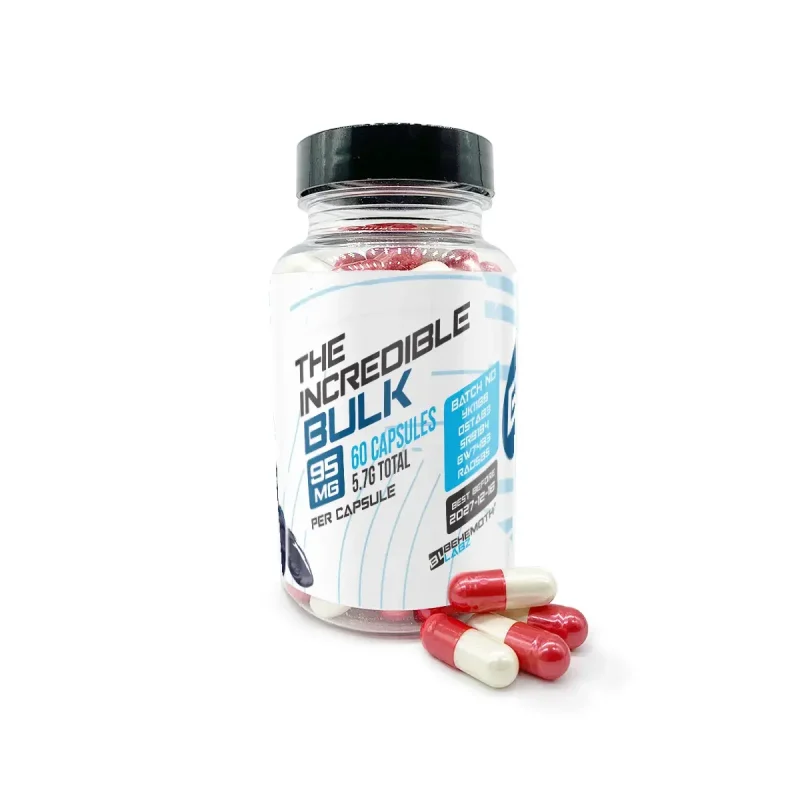
Comparison of ACP-105 VS AC-262
Despite being SARMs, these compounds share both similarities and differences. Here is the list of a few similarities and differences between ACP-105 and AC-262:Mechanism of Action:
- ACP-105 has a strong affinity for androgen receptors in research models. It means it may strongly bind to androgen receptors in muscle and bone tissues of animal models and influence anabolic pathways.
- AC-262 has a mild affinity for androgen receptors in animal models during laboratory trials. It means that the binding of AC-262 to androgen receptors in animal models may not be that much stronger compared to AC-105.
Primary Use:
- ACP-105: The primary purpose of ACP-105 is to influence the pathways related to hypertrophy, strength, and endurance in research models. It may also contribute to a potential reduction in muscle wasting in subjects during laboratory trials.
- AC-262: The primary purpose of AC-262 is to modulate pathways associated with lipolysis and lean muscle mass preservation in animal models during clinical trials.
Side Effects:
- ACP-105: The side effects associated with ACP-105 in research models are moderate and may influence the suppression of testosterone during clinical trials. Furthermore, it may also affect androgenic symptoms in subjects.
- AC-262: The side effects associated with AC-262 during laboratory trials are mild. Therefore, it may not affect androgenic pathways and suppress testosterone in research models.
Potency:
- ACP-105: ACP-105 may be considered more potent in influencing various pathways in research models. It means it may modulate the pathways more strongly than other AC-262 in research models, as observed during clinical trials.
- AC-262: AC-262 may be considered less potent in modulating multiple pathways in animal models during laboratory research trials. The lower potency also makes it a safe option for laboratory research trials on animal models.
Comparison of ACP-105 vs. Ostarine
The comparison between ACP-105 VS Ostarine is as follows:Mechanism of Action:
- ACP-105: The mechanism of action of ACP-105 is similar to that of other SARMs. It may bind with androgen receptors present in the muscle and bone tissues of research models. This binding may signal and influence specific pathways, such as hypertrophy and skeletal integrity, in subjects during trials.
- Ostarine: Ostarine may also bind with androgen receptors in muscle and bone areas of animal models during laboratory research trials. Following this binding, it may modulate various pathways related to anabolic activities in research subjects during laboratory trials.
Primary Use:
- ACP-105: The primary use of ACP-105 is to influence pathways associated with muscle hypertrophy, preservation, and osteoporosis. It may also modulate strength and endurance pathways in research subjects during research trials.
- Ostarine: The primary use of Ostarine is to modulate biomarkers associated with muscle hypertrophy, muscle wasting, and skeletal integrity in research models during trials.
Side Effects:
- ACP-105: The side effects of ACP-105 may be moderate. It means it may affect androgenic pathways of research models and also suppress testosterone in subjects, as observed during laboratory trials.
- Ostarine: The side effects of Ostarine may be mild. It means it may modulate androgenic pathways in less potent ways. Therefore, it may be suitable for early-stage research models due to its mild effects.
Potency:
- ACP-105: ACP-105 may have strong potency to modulate various pathways associated with muscle hypertrophy and skeletal integrity. It means it has greater potency to influence anabolic activities in research models during laboratory trials.
- Ostarine: Ostarine may have mild potency for influencing anabolic pathways in research models. Therefore, it may be more effective for new animal model studies in research trials.
Comparison of ACP-105 vs. RAD-140
Here is the comparison between ACP-105 and RAD-140 SARMs:Mechanism of Action:
- ACP-105: ACP-105 may bind to androgen receptors of muscle and bone areas in research models during laboratory studies. This binding may influence anabolic pathways in subjects.
- RAD-140: RAD-140 may also bind to androgen receptors in muscle and bone tissues of laboratory models. Additionally, its binding capacity is stronger than ACP-105, as observed in clinical trials.
Primary Use:
- ACP-105: The primary focus of ACP-105 is to modulate pathways linked with muscles. It may influence muscle growth and preservation pathways in research subjects during research studies.
- RAD-140: The primary focus of RAD-140 is to modulate the patterns associated with an increase in lean muscle mass, lipolysis, strength, and endurance.
Side Effects:
- ACP-105: ACP-105 has lower chances of causing side effects and influences androgenic pathways in research subjects. It may have mild side effects to suppress testosterone in research models during clinical studies.
- RAD-140: RAD-140 is a potent SARM. It has greater potential to cause androgenic effects in research models. Additionally, it may suppress the natural secretion of testosterone in research subjects, as observed in laboratory studies.
Potency:
- ACP-105: ACP-105 is a less potent SARM. It may influence various beneficial patterns in research subjects without causing significant side effects.
- RAD-140: RAD-140 is a potent SARM. Besides influencing various beneficial pathways, it may also cause testosterone suppression and androgenic effects in test models during clinical studies.
Safety Profile And Legal Status
None of the SARMs discussed above has been approved by the Food and Drug Administration (FDA) and the World Anti-Doping Agency (WADA). Therefore, they are not allowed for human consumption. Researchers can only use them for research and laboratory purposes. Their human use can lead to legal proceedings against the users.Which SARM Stands Out for Specific Research Goals?
When it comes to the best SARM for specific goals, there is no one-size-fits-all. Every SARM offers unique applications and benefits for research subjects. Comparing these compounds, ACP-105 is the best for anabolic support with fewer side effects in laboratory models during studies. Additionally, RAD-140 may be used for modulating lean muscle growth, strength, support, and endurance in research subjects during clinical studies. AC-262 may be used to affect the patterns associated with lipolysis and muscle preservation in test subjects. At the same time, Ostarine (MK-2866) may be used to influence the biomarkers of anabolic activity in new research subjects. Therefore, Ostarine may be the best option for those non-human research models new to research studies.Final Thought
ACP-105, AC-262, RAD-140, and Ostarine are synthetic SARMS, used to influence the pathways related to hypertrophy and skeletal integrity. These share similarities in terms of benefits; however, they differ from each other in terms of potency and side effects. None of them has been approved for human consumption. Additionally, each SARM offers distinct potential benefits, allowing researchers to make informed decisions accordingly.Frequently Asked Questions (FAQs)
Which SARM is best for laboratory research: ACP-105 or RAD-140?
Both SARMs influence different pathways in research subjects. For instance, ACP-105 may influence pathways related to muscle hypertrophy and skeletal integrity. On the other hand, RAD-140 may modulate the patterns linked with an increase in lean muscle mass and lipolysis.What is ACP-105 used for in research studies?
ACP-105 is used for influencing pathways related to muscle hypertrophy, muscle preservation, skeletal integrity, and lipolysis in research models during laboratory studies. By controlling these pathways, ACP-105 may affect muscle hypertrophy and bone integrity in test models during research studies.What are the side effects of SARMs?
These associated side effects of SARMs are hormonal imbalance, testosterone suppression, nausea, irritation, and itching etc. These side effects may vary from subject to subject and are dependent on various factors.Do SARMs show up on a drug test during clinical studies?
Yes, SARMs can be detected in drug tests for varying durations depending on the compound and testing method.