


SARMs
MK-677 Pros and Cons: A Scientific Overview of Its Experimental Applications
07
Aug
Aug
What Is MK-677?
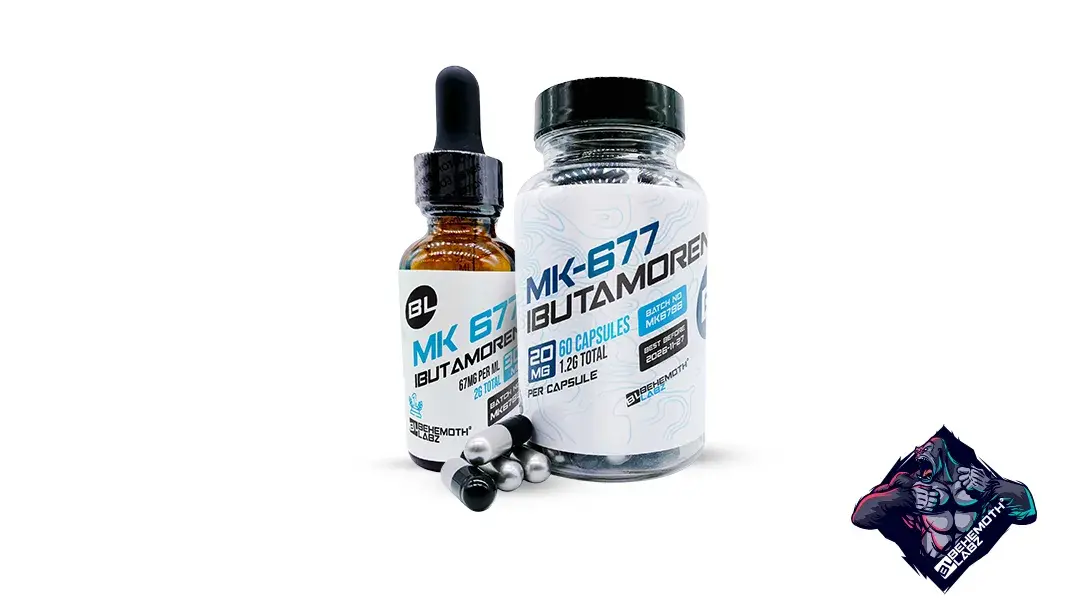
MK677 is a synthetic compound, also known as Ibutamoren Mesylate. It is a non-peptidic and orally active compound. Usually, peptides are administered in injection form, but MK677 is orally active and may be administered orally to research models. Apart from that, it is a Growth Hormone Secretagogue (GHS). The GHSs are those compounds that influence the pathways linked to the secretion of growth hormones. MK677, while acting as a GHS, may stimulate the patterns associated with growth hormone secretion in experimental models during clinical trials. In return, the growth hormones may modulate multiple pathways and also affect the secretion of IGF-1 in research models.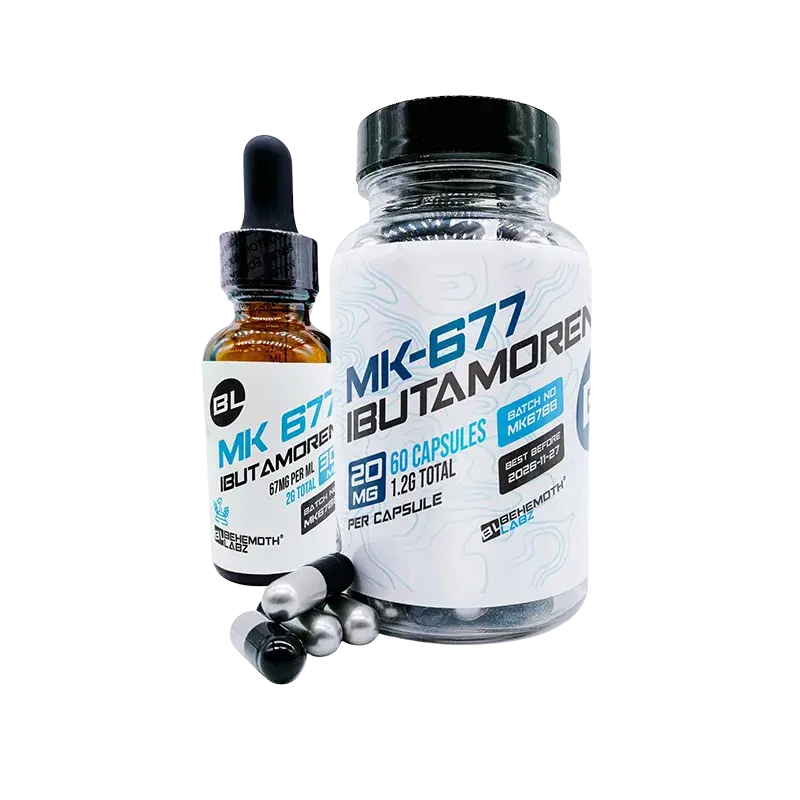
How Does MK677 Work?
After being administered to research subjects, MK677 may bind with ghrelin receptors in the pituitary gland in research models. Through this binding, MK677 may modulate the indicators associated with growth hormone secretion. In return, the ghrelin, a hunger hormone, stimulates various pathways and the secretion of growth hormones in research subjects. The influenced pathways may include muscle hypertrophy, skeletal integrity, fat loss, and lean body mass in laboratory models during research trials.MK- 677 Pros And Cons Based On The Scientific Research
The ongoing scientific research (whose links are mentioned in the reference section) on various non-human models has found multiple pros and cons of MK677. Here is a detailed list of the pros and cons of MK677. Let’s have a look at it!Pros Of MK677
Based on limited research on animal models, here are the commonly found pros of MK677:- Increases Growth Hormone and IGF-1 Levels in Research Models:
- Supports Muscle Hypertrophy in Clinical Settings:
- Improves Recovery and Healing during Laboratory Studies:
- Supports Fat Loss during Clinical Research Trials:
- Boosts Skin and Hair Health In Laboratory Models:
- No Suppression Of Natural Testosterone Observed during Research Trials:
- Orally Active (No Needles):
- Long-Acting during Research Studies:
Cons Of MK677
Here is the list of cons of MK677, observed during clinical trials on research models:- Increased Appetite In Laboratory Models:
- Water Retention:
- Fatigue or Lethargy In Research Subjects:
- Long-Term Safety Still Unknown:
- Possible Joint Pain during Clinical Trials:
Final Thought
MK677 is a synthetic growth hormone secretagogue. It has the potential to influence the patterns associated with growth hormone and IGF-1 secretion. Based on various clinical trials, MK677 may influence muscle hypertrophy, bone integrity, fat loss, and other potential applications in research models. On the other hand, it may cause possible joint pain, fatigue, and water retention issues in models during research trials.Frequently Asked Questions (FAQs)
Does MK677 mess with testosterone during clinical trials?
No, MK677 does not mess with testosterone during clinical trials. It may only influence the secretion of growth hormones in research models and modulate pathways linked with muscle growth, fat loss, and bone integrity.Does MK677 increase muscle mass during a laboratory experiment?
Yes, MK677 may increase muscle mass during laboratory studies. For muscle mass growth, MK677 may modulate protein synthesis, prevent muscle wasting, and improve muscle recovery and healing in animal models during research trials. All these potential roles may directly or indirectly modulate muscle mass growth in research models.Does MK677 increase fat loss in research models?
Yes, according to the laboratory research trials, MK677 may increase fat loss in research models. For fat loss, MK677 may influence lipolysis, which is the breakdown of large fatty acid molecules into smaller ones.References:
- Murphy, M. G., et al. "Effect of alendronate and MK-677 (a growth hormone secretagogue), individually and in combination, on markers of bone turnover and bone mineral density in postmenopausal osteoporotic women." The Journal of Clinical Endocrinology & Metabolism 86.3 (2001): 1116-1125.
- Murphy, M. G., et al. "MK-677, an orally active growth hormone secretagogue, reverses diet-induced catabolism." The Journal of Clinical Endocrinology & Metabolism 83.2 (1998): 320-325.
- Cardaci, Thomas D., et al. "LGD‐4033 and MK‐677 use impacts body composition, circulating biomarkers, and skeletal muscle androgenic hormone and receptor content: A case report." Experimental physiology 107.12 (2022): 1467-1476.
- Nass, Ralf, et al. "Effects of an oral ghrelin mimetic on body composition and clinical outcomes in healthy older adults: a randomized trial." Annals of internal medicine 149.9 (2008): 601-611.
