





Capsules
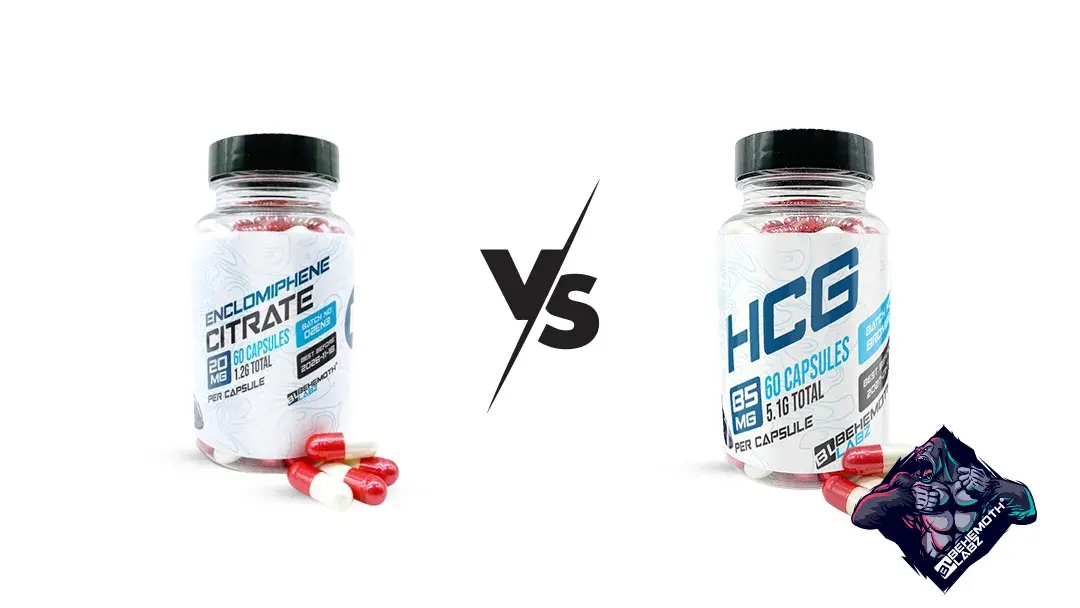
HCG VS Enclomiphene
20
Oct
Oct
HCG and enclomiphene are two synthetic compounds with the potential to influence reproductive systems in preclinical models. Researchers are investigating these compounds to understand how they impact the parameters related to LH, FSH, testosterone, and ovulation in experimental settings. Let’s understand what these compounds are, their mechanisms of action, key similarities, and differences. Read this blog and gain insight into these compounds! Enclomiphene is a synthetic compound, also known as fertility or sex medicine. It belongs to the Selective Estrogen Receptor Modulators category, meaning it has the potential to stop the secretion of estrogen in preclinical models. Due to this potential, researchers have been investigating it in fertility or hypogonadism-related studies in laboratory experiments. In preclinical settings, it has been demonstrated to affect parameters related to testosterone secretion, muscle hypertrophy, and bone integrity in experimental models.
What is HCG?
HCG stands for Chorionic Gonadotropin. It is available in two forms: Recombinant HCG and Urinary-Derived HCG. Recombinant HCG is synthesized in the laboratory, while urinary-derived HCG is derived from the urine of pregnant experimental models. It is a glycoprotein, meaning it consists of protein and sugar. It has shown potential to influence ovulation (egg formation). On the other hand, it may affect the pathways of Luteinizing Hormone (LH), which in turn impacts testosterone levels in preclinical models.What is Enclomiphene?
Enclomiphene is a synthetic compound, also known as fertility or sex medicine. It belongs to the Selective Estrogen Receptor Modulators category, meaning it has the potential to stop the secretion of estrogen in preclinical models. Due to this potential, researchers have been investigating it in fertility or hypogonadism-related studies in laboratory experiments. In preclinical settings, it has been demonstrated to affect parameters related to testosterone secretion, muscle hypertrophy, and bone integrity in experimental models.HCG VS Enclomiphene: Mechanism of Action
- Mechanism of Action of HCG: After being administered to preclinical models, it has been shown to bind with LH receptors to stimulate LH secretion. In return, the LH may influence various pathways related to the reproductive system in experimental models.
- Mechanism of Action of Enclomiphene: After being administered to preclinical models, it has been shown to reach the brain and influence specific parameters there. These parameters are associated with stopping estrogen secretion and secreting testosterone in preclinical models. Besides, it may also impact gonadotropin-releasing hormone (GnRH), which includes LH and FSH in experimental settings. In return, these hormones may influence the pathways of testosterone secretion in preclinical models.
Similar Potential Benefits/Research Applications of HCG and Enclomiphene
Here are the key potential benefits/research applications of HCG and Enclomiphene in preclinical models:Support Reproductive Health:
Both of these compounds have been investigated for their impacts on reproductive health in laboratory studies. Researchers found that they have the potential to influence the patterns associated with the secretion of testosterone and ovulation in preclinical models. Together, these two influences may impact the pathways of reproductive health in experimental settings.Impact Testosterone Levels:
Similarly, these compounds have also been examined in preclinical settings for their influence on testosterone secretion. It was observed that HCG may impact testosterone secretion by binding to Leydig cells in the testes. At the same time, Enclomiphene may influence GnRH, which may affect testosterone secretion parameters in preclinical models.Influence Fertility:
Fertility is often a result of low levels of reproductive hormones. These two compounds have been shown to influence the levels of reproductive hormones in experimental models. HCG may impact the parameters of testosterone by acting as an estrogen inhibitor. On the other hand, Enclomiphene may influence testosterone pathways by impacting gonadotropin-releasing Hormones (GnRH) in preclinical models.Key Differences Between HCG and Enclomiphene
Here are the key differences between HCG and Enclomiphene:- Different Types of Compounds: HCG is a naturally occurring hormone secreted during pregnancy. On the other hand, Enclomiphene is a laboratory-made compound that may act like a hormone in laboratory experiments.
- Different Mechanism of Action: HCG may mimic Luteinizing Hormone (LH) in preclinical experiments, potentially impacting testosterone production. Enclomiphene is a SERM, which may impact testosterone secretion by potentially blocking estrogen in preclinical settings.
- Different Primary Uses: HCG is studied in experiments related to fertility and weight management. In contrast, Enclomiphene is examined for investigating its effects on testosterone secretion only in preclinical models.
- Various Half-Life: HCG studies have shown a half-life of up to 24 hours or longer in experimental settings. At the same time, Enclomiphene has been observed with a half-life of up to 10-12 hours in preclinical studies.
- Different Effects on Estrogen: HCG has the potential to indirectly impact estrogen secretion by stimulating testosterone production in preclinical models. On the contrary, Enclomiphene may directly influence estrogen secretion by acting as an estrogen inhibitor in preclinical settings.
Which One is the Best Option?
There are no parameters to determine the best one among them. Both of them have been investigated in studies related to infertility, hypogonadism, and sexual health in laboratory experiments. The best one between them depends on research goals, objectives, and research environment.Legal Status: HCG VS Enclomiphene
Until now, these compounds have not yet been approved by either the Food and Drug Administration or the World Anti-Doping Agency. Research is still being conducted in preclinical settings to explore whether they are suitable for human use. However, researchers can still use them for laboratory studies.Safety Profile of HCG and Enclomiphene
HCG and Enclomiphene both have shown a safe profile. There are no severe side effects associated with them. If any of the side effects appear, it might be due to not adhering to the guidelines. Following the guidelines will keep your research on the right track.Final Thought
HCG and Enclomiphene are two synthetic compounds. They have been studied for their impacts on fertility and reproductive hormones in preclinical settings. They have been shown to influence the pathways associated with fertility and reproductive health in preclinical models. Despite having similar potential benefits, they also differ in structure, mechanism of action, and primary use in laboratory experiments. The best one between them depends on the research objectives.Frequently Asked Questions (FAQs)
Where can I purchase HCG online?
You can purchase HCG compounds online from BehemothLabz. All you need to do is visit BehemothLabz’s website, navigate to the purchase section, and place your order.What is the use of HCG in laboratory experiments?
HCG is used in laboratory experiments to investigate its impacts on fertility, reproductive health, and testosterone secretion.What are the benefits of Enclomiphene peptide?
The potential benefits of Enclomiphene peptide may include reproductive health and testosterone secretion in preclinical models. Together, these two impacts may influence fertility pathways in experimental models.What does Enclomiphene do in laboratory experiments?
Enclomiphene has been shown to influence the parameters involving reproductive health, testosterone secretion, and fertility in preclinical models. Researchers have observed that it may impact GnRH patterns, potentially affecting LH and FSH levels in preclinical models. LH and FSH, in turn, may impact reproductive health in preclinical models.What are the side effects of Enclomiphene peptide?
There are no known side effects of Enclomiphene peptide, as it is still in preclinical trials. Further research is being conducted to explore its adverse side. However, some adverse side effects were observed during preclinical trials, including vomiting, irritation, and headaches.