


Peptides
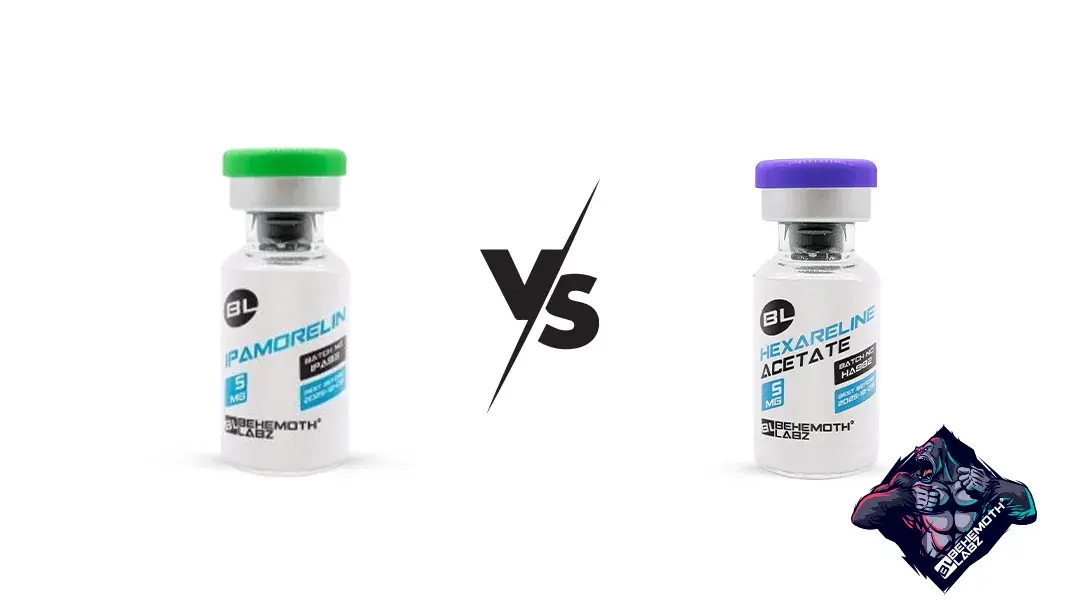
Hexarelin VS Ipamorelin
30
Oct
Oct
Hexarelin and ipamorelin are two synthetic compounds with the potential to stimulate patterns associated with growth hormone in preclinical models. They share similarities as well as differences. But what are these similarities and key differences? Let’s understand Hexarelin Vs Ipamorelin deeply in this blog! 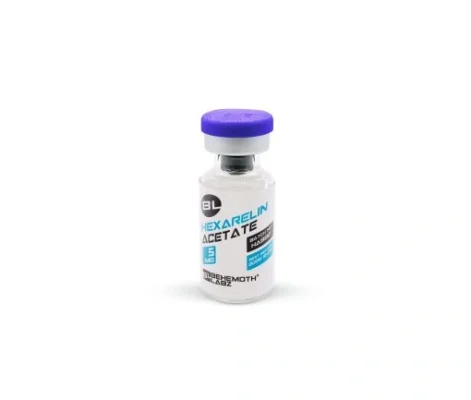 Hexarelin is a synthetic Growth Hormone Releasing Peptide (GHRP) that consists of 6 amino acid molecules. Peptide bonds connect these amino acids to form a small chain. Hexarelin has a similar structure and properties to GHRP-6, but does not affect appetite-related parameters in experimental settings. Researchers are investigating hexarelin to understand its effects on growth hormone levels in preclinical models. In early preclinical studies, it has been shown to influence the pituitary gland and to trigger growth hormone secretion. This growth hormone has affected the pathways linked with muscle hypertrophy, bone integrity, and metabolic patterns in preclinical models.
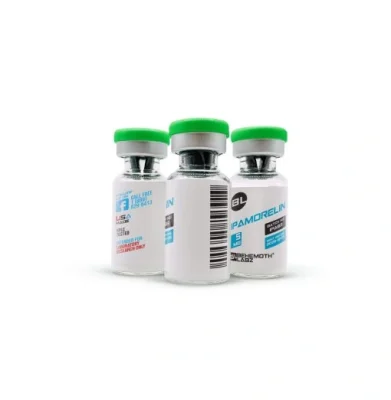 Ipamorelin is a synthetic Growth Hormone Releasing Peptide (GHRP) that consists of five amino acid molecules. GHRPs are compounds that, in experimental settings, have the potential to stimulate pituitary growth hormone secretion. Ipamorelin, as a GHRP, has also been investigated for similar properties in laboratory studies. In early preclinical studies, ipamorelin has altered the patterns of pituitary growth hormone secretion in laboratory models. In return, growth hormones have influenced parameters related to muscle hypertrophy, skeletal health, and fat metabolism, among others.
What is Hexarelin?
Hexarelin is a synthetic Growth Hormone Releasing Peptide (GHRP) that consists of 6 amino acid molecules. Peptide bonds connect these amino acids to form a small chain. Hexarelin has a similar structure and properties to GHRP-6, but does not affect appetite-related parameters in experimental settings. Researchers are investigating hexarelin to understand its effects on growth hormone levels in preclinical models. In early preclinical studies, it has been shown to influence the pituitary gland and to trigger growth hormone secretion. This growth hormone has affected the pathways linked with muscle hypertrophy, bone integrity, and metabolic patterns in preclinical models.What is Ipamorelin?
Ipamorelin is a synthetic Growth Hormone Releasing Peptide (GHRP) that consists of five amino acid molecules. GHRPs are compounds that, in experimental settings, have the potential to stimulate pituitary growth hormone secretion. Ipamorelin, as a GHRP, has also been investigated for similar properties in laboratory studies. In early preclinical studies, ipamorelin has altered the patterns of pituitary growth hormone secretion in laboratory models. In return, growth hormones have influenced parameters related to muscle hypertrophy, skeletal health, and fat metabolism, among others. Mechanisms of Action:
Both hexarelin and ipamorelin have similar mechanisms of action, as observed during early studies. Researchers observed that these compounds have reached the pituitary gland and stimulated the patterns linked with growth hormone secretion in preclinical models. This may result in improved growth hormone levels in experimental settings. In return, the growth hormone may affect the patterns associated with IGF-1, muscle hypertrophy, bone health, adipose tissue reduction, and strength and stamina.Potential Benefits of Hexarelin and Ipamorelin
The potential benefits of hexarelin and ipamorelin in preclinical studies are as follows:Affect Growth Hormone Secretion:
Both hexarelin and ipamorelin have been shown to affect growth hormone levels in preclinical models. By acting as a growth hormone-releasing peptide, they tend to influence the pituitary gland to stimulate growth hormone levels in experimental settings. Researchers observed a significant increase in growth hormone levels during laboratory studies investigating these compounds.Muscle Hypertrophy:
These compounds have also been investigated for muscle hypertrophy in preclinical models. In early studies, researchers observed that growth hormone and these compounds influence protein synthesis and prevent muscle breakdown in preclinical models. Protein synthesis and the prevention of muscle breakdown influence patterns of muscle hypertrophy in preclinical models.Skeletal Health and Bone Integrity:
These compounds have also been examined for their potential in skeletal health and bone integrity in preclinical models. Researchers observed that these compounds have the potential to influence osteoblast cell activities in preclinical models. Through their effects on osteoblasts, these compounds may impact skeletal health and bone integrity in preclinical models.Affect Metabolic Rate:
While investigating the compounds, researchers observed the fast breakdown of fatty acids and carbohydrates in preclinical models. Based on this observation, researchers have hypothesized that they may influence the metabolic rate in preclinical models during laboratory studies.Adipose Tissue Reduction:
Besides skeletal health, these compounds have also been studied for their influence on adipose tissue reduction in preclinical models. While investigating the compounds, researchers found that they may stimulate triglyceride breakdown in preclinical models. This triglyceride breakdown may release free fatty acids and accelerate fat oxidation in preclinical models,Key Differences Between Hexarelin and Ipamorelin
- Structural Difference: Hexarelin consists of 6 amino acid molecules, whereas ipamorelin consists of 5 amino acid molecules.
- Potency Difference: In preclinical studies, hexarelin has shown more potency on the patterns linked to growth hormone secretion. On the other hand, ipamorelin has shown moderate potency in pathways involved in growth hormone secretion.
- Difference in Effects on Cortisol Hormone: Hexarelin may also affect parameters associated with cortisol. On the other hand, ipamorelin only affects growth hormone-related patterns, with no effect on cortisol levels in preclinical models.
Associated Side Effects of Hexarelin and Ipamorelin
Although both of them are still in preclinical trials, they may cause mild to moderate side effects in experimental models. Some of the side effects observed in early studies are as follows:Side Effects of Hexarelin:
- Injection site reaction
- Appetite changes
- Increase in cortisol levels
- Fatigue
- Headache
- Water retention or edema
Side Effects of Ipamorelin:
- Water retention
- Light headache
- Fatigue
- Mood changes
- Injection site reaction
- Itching
- Discomfort
Which One is the Best?
There are no universal parameters that can weigh them equally. Both have been studied for their effects on the patterns of growth hormone secretion in preclinical models. The choice between them depends on the nature of the study, the research objectives and goals, and the researcher's ultimate decision.Legal Status of Hexarelin and Ipamorelin
As far as the legal status is concerned, neither of them has yet been approved by the Food and Drug Administration for human consumption. Therefore, their use is illegal and violates policy standards. However, researchers widely use them for laboratory studies.Conclusion
Hexarelin and ipamorelin are two synthetic compounds with the potential to stimulate the patterns linked with growth hormones in preclinical models. They share similarities, such as muscle hypertrophy, skeletal health, and adipose tissue reduction, in preclinical models. Besides, they also differ in structure and potency. Regarding their legal status, they have not yet been approved by the FDA for human consumption.FAQs
What are the benefits of ipamorelin in preclinical studies?
The potential benefits of ipamorelin observed in preclinical studies included increased growth hormone levels, muscle hypertrophy, skeletal health, and improved fat metabolism.What is hexarelin used for in preclinical models?
Hexarelin is used in preclinical studies to observe its impacts on growth hormone levels, muscle hypertrophy, and bone integrity. Researchers are interested in examining how it affects the pituitary gland to stimulate the growth hormone levels in preclinical models.What does hexarelin peptide do?
Hexarelin peptide influences parameters associated with pituitary growth hormone in preclinical models.Is hexarelin better than ipamorelin?
If we compare them based on their effects on growth hormone levels, hexarelin may be the best option for preclinical studies. It has shown greater potency in stimulating growth hormone secretion in preclinical models. On the other hand, ipamorelin has shown a moderate potency to trigger growth hormone levels in preclinical models.