How It Works
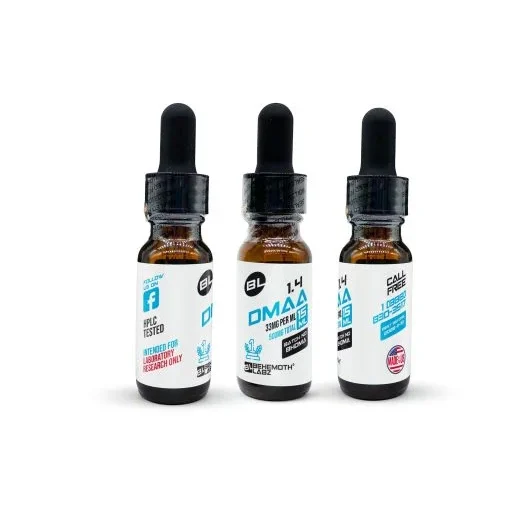
Liquid formulation typically involves dissolving or suspending a compound in a solvent — often bacteriostatic water, saline, or another carrier — for use in laboratory research. This format is common where a compound needs to be measured in small, precise volumes, or where rapid and uniform distribution through a solution is important for a study's design. Stability, concentration, and shelf life can vary significantly depending on the solvent and storage conditions used.
Benefits of the Liquid Format
- Precise, variable dosing — volumes can be measured down to fine increments, useful for dose-response and titration studies
- Faster, more uniform distribution through solution compared to solid formats, relevant to studies examining onset or distribution kinetics
- Flexible for reconstitution protocols, allowing researchers to prepare working concentrations to match a specific experimental design
Note: For those interested in exploring other research compounds, check out our Peptides, Injectables, and Nootropics collections.
Disclaimer: BehemothLabz does not sell this product. Purchase links on this page may direct you to third-party suppliers through affiliate links.