





SARMs
Ligandrol Vs RAD 140: Scientific Comparison
10
Feb
Feb
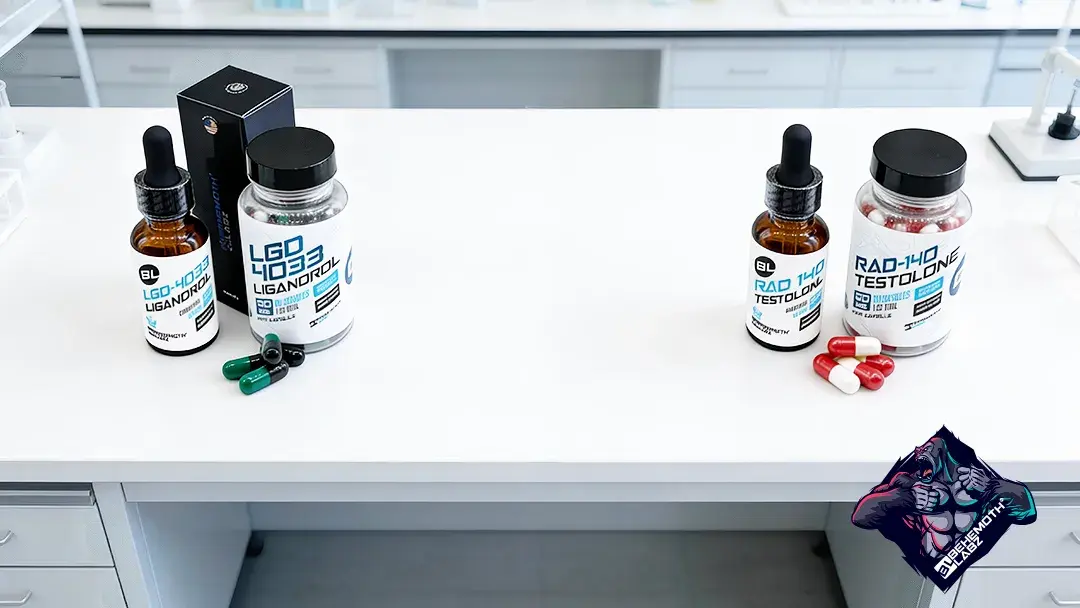
Researchers explore Ligandrol (LGD-4033) and RAD140 (Testolone) in preclinical models to assess their effects on muscle tissue, bone density, and androgen signaling pathways. This blog explores deep into both. Let's break them down side by side!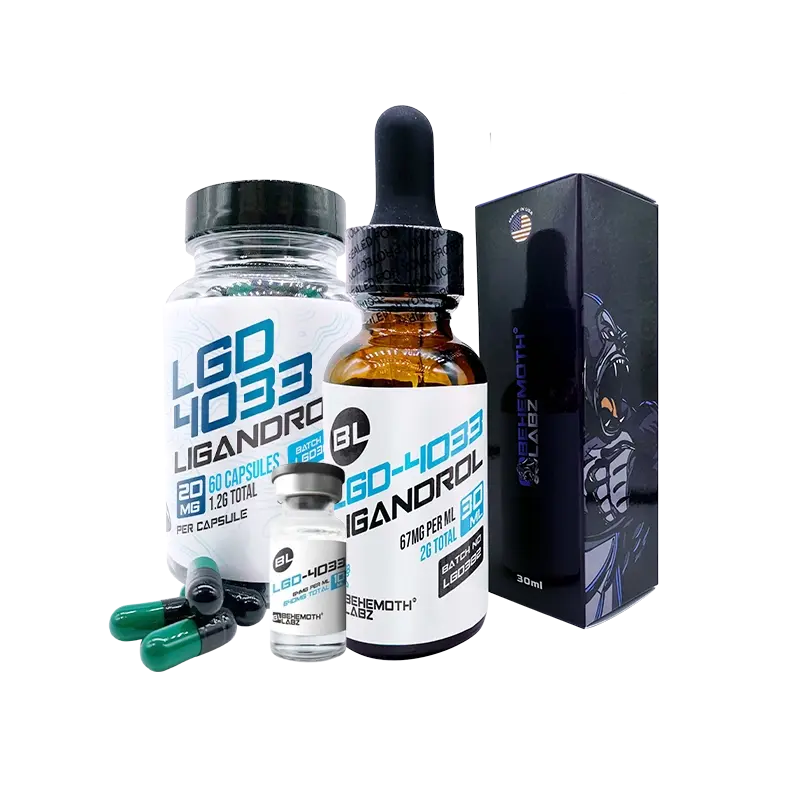 Ligandrol, also known as LGD-4033, is a non-steroidal SARM developed through lab synthesis. Developers designed it to target androgen receptors selectively in preclinical models. It has the potential to bind those receptors in muscle and bone tissues in preclinical models. Androgen receptors act like switches in cells. Once activated, they affect pathways associated with muscle growth and bone strength. The structure of Ligandrol is similar to testosterone. It is, however, focused on targeting tissue-specific action while sparing other tissues, such as the prostate, in laboratory tests. In rodent models, Ligandrol increases anabolic signaling, thereby increasing protein synthesis in muscle fibers. It is one of the most important processes that is observed in the laboratory. Its ability to maintain lean mass is also observed in simulated atrophy conditions in preclinical models.
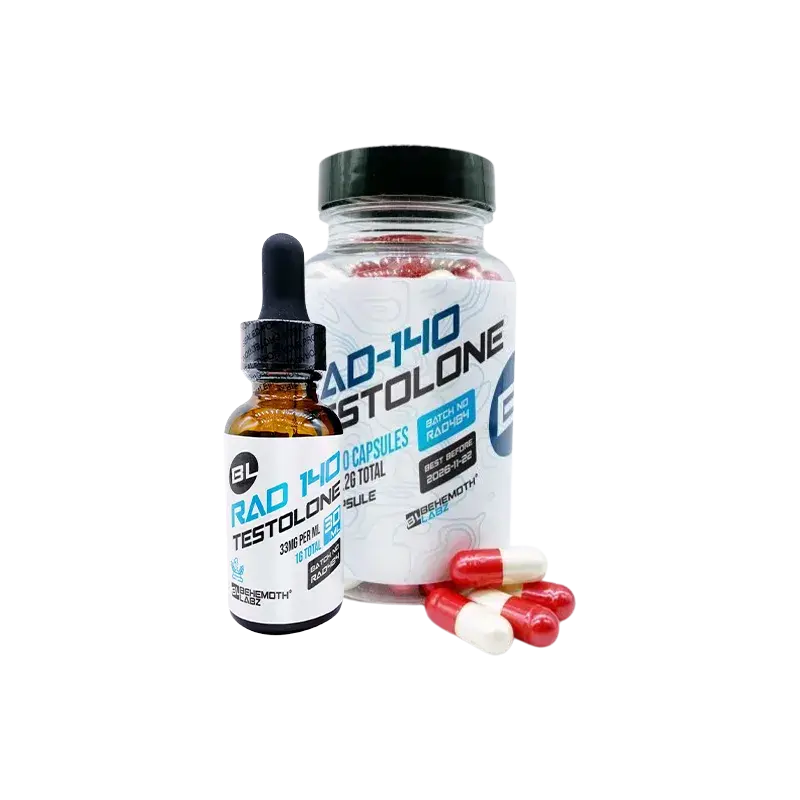 RAD 140, or Testolone, is also part of the SARM family. It has a high affinity for androgen receptors, and preclinical experiments have shown its muscle- and neural-tissue selectivity. This SARM has a distinct chemical backbone, which improves its selectivity. It activates receptors to induce anabolic effects with low off-target activity in experimental models. RAD 140 has been repeatedly used in neuroprotection and muscle studies. RAD 140 in rodent models changes muscle repair and bone remodeling-related gene expression. The compound's design exhibits stronger receptor affinity than some peers, making it a preferred target in potency-focused research.
What is Ligandrol?
Ligandrol, also known as LGD-4033, is a non-steroidal SARM developed through lab synthesis. Developers designed it to target androgen receptors selectively in preclinical models. It has the potential to bind those receptors in muscle and bone tissues in preclinical models. Androgen receptors act like switches in cells. Once activated, they affect pathways associated with muscle growth and bone strength. The structure of Ligandrol is similar to testosterone. It is, however, focused on targeting tissue-specific action while sparing other tissues, such as the prostate, in laboratory tests. In rodent models, Ligandrol increases anabolic signaling, thereby increasing protein synthesis in muscle fibers. It is one of the most important processes that is observed in the laboratory. Its ability to maintain lean mass is also observed in simulated atrophy conditions in preclinical models.What is RAD 140?
RAD 140, or Testolone, is also part of the SARM family. It has a high affinity for androgen receptors, and preclinical experiments have shown its muscle- and neural-tissue selectivity. This SARM has a distinct chemical backbone, which improves its selectivity. It activates receptors to induce anabolic effects with low off-target activity in experimental models. RAD 140 has been repeatedly used in neuroprotection and muscle studies. RAD 140 in rodent models changes muscle repair and bone remodeling-related gene expression. The compound's design exhibits stronger receptor affinity than some peers, making it a preferred target in potency-focused research.How Do They Work?
Both SARMs interact with androgen receptors. Nevertheless, their mechanisms differ slightly.Ligandrol
Ligandrol enters cells, binds to androgen receptors in muscle and bone, triggering a cascade. The receptor complex translocates to the nucleus, where it interacts with DNA and triggers genes that promote muscle protein synthesis, initiating hypertrophy in preclinical models. Ligandrol reinstates bone mineral density by increasing osteoblast activity in ovariectomized rat studies. It also reduces muscle wasting by upregulating IGF-1 signaling. Such effects stay tissue-specific, with low impact on reproductive organs in preclinical models.RAD 140
It binds androgen receptors with high affinity, especially in skeletal muscle and brain tissues. RAD 140 recruits coactivators to amplify transcription of anabolic proteins, such as myosin heavy chain. Castrated male rats show that levator ani muscle weight is elevated in a dose-dependent manner. Research in the neuronal cell lines suggests it crosses the blood-brain barrier. RAD 140 also regulates neuroprotective genes, potentially shielding against oxidative stress in brain models. This is a dual muscle-neuro action that differentiates it in multifaceted research in preclinical uses.Similarities between Ligandrol and RAD 140
Preclinical research has identified the following shared characteristics of Ligandrol and RAD 140.| Similar Features | Ligandrol and RAD 140 |
| Non-Steroidal SARMs | Both compounds are non-steroidal SARMs and feature small molecule structures that selectively target androgen receptors. These features reduce unwanted activation in non-muscle tissues during preclinical studies. |
| Tissue Selectivity | These compounds show tissue selectivity as neither heavily impacts the seminal vesicles or prostate in rodent models. |
| Androgen Response | Both SARMs influence androgen-responsive genes |
| Dose-Dependent Effects | These compounds show dose-dependent effects as low doses yield mild anabolic shifts. Higher doses amplify muscle fiber without causing toxicity. |
Differences between Ligandrol and RAD 140
While similarities exist, distinct profiles also emerge.| Distinctive Features | Ligandrol | RAD 140 |
| Chemical Structure | It has a benzimidazole core for balanced binding. | It has a dihydroquinolinone scaffold with higher potency. |
| Targeted Tissue | Ligandrol excels in muscle and bone research. | RAD 140 can extend to neural tissues. |
| Half-Life | 24 to 36 hours. | It lasts around 60 hours. |
| Neuroprotective Potential | It lacks neural data as it focuses purely on musculoskeletal endpoints. | RAD 140 stands out here. Traumatic brain injury models in mice reveal reduced lesion volume. |
| Side Effect Profile | It may cause elevations in liver enzymes in rats at high doses. | It causes less hepatotoxicity. It can lead to pronounced suppression of natural testosterone in animal models. |
Side Effects in Laboratory Studies
Preclinical research indicates the following dose-dependent side effects of these two SARMs:Ligandrol
- Transient ALT/AST elevation
- Mild HDL drop
- Site irritations
- Altered hormone signaling
- Behavioral shifts
RAD 140
- Potential for aggression in behavioral assays
- Stronger lipid shifts
- Seizure-like activity at extremes
- Site reactions
- Changes in sleep patterns
- Flushing responses
Legal Status
Neither Ligandrol nor RAD 140 is FDA-approved. Labs restrict them to authorized research only. Researchers procure them from compliant sources, such as BehemothLabz, for preclinical experiments. Always verify local regulations. Human use remains prohibited worldwide.Final Thoughts
Ligandrol and RAD140 are potent tools in SARM research. Ligandrol provides consistent muscle- and bone-focused effects at a balanced potency, whereas RAD 140 may have neural effects and high selectivity. Their anabolic targeting similarities contrast with their differences in structure, duration, and application, which adds to laboratory comparisons. For your next experiment, BehemothLabz provides high-purity options.FAQs
Is LGD-4033 testosterone-stimulating in preclinical models?
LGD-4033 is also associated with dose-dependent suppression of total testosterone in preclinical models.How can Ligandrol and RAD 140 be used in a preclinical model?
Ligandrol and RAD 140 can stimulate bone and muscle development in the preclinical research models.What are the benefits of RAD 140 in laboratory experiments?
RAD 140 may preserve bone mineral density and lean mass in preclinical aging male mice models.