


Peptides
How to Store Bacteriostatic Water?
Feb
Keep your research peptides fresh and potent by mastering the storage of bacteriostatic water. You mix it with peptides to create solutions that last longer and work better. But one wrong move in storage, and it loses power or grows bacteria.
Don’t worry, this guide walks you through everything. You learn why it is important to store it properly. Get the right supplies, follow simple rules, and avoid the usual slip-ups. These tips will keep your bacteriostatic water on hand, whether you are a novice peptide researcher or an experienced investigator.
What Is Bacteriostatic Water
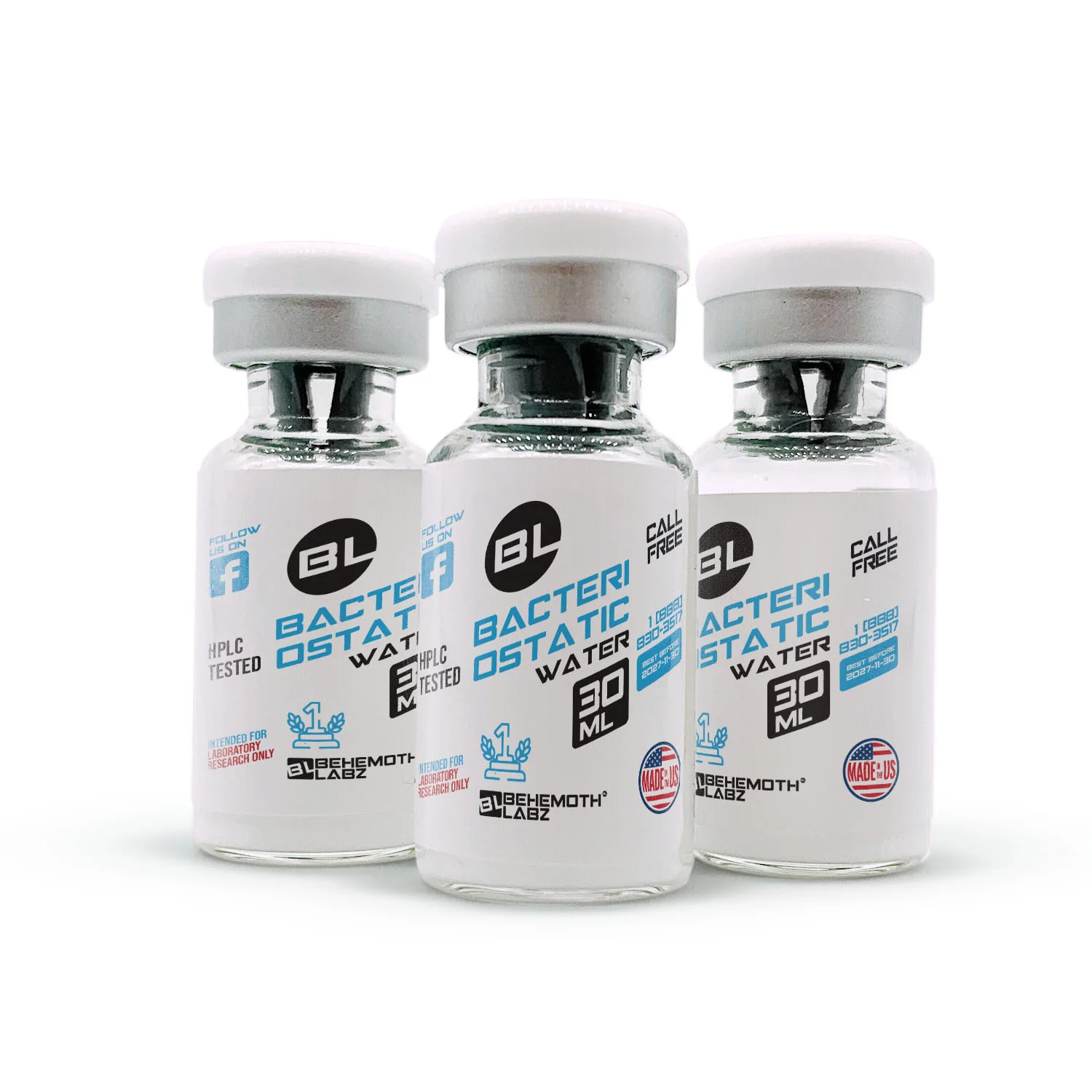
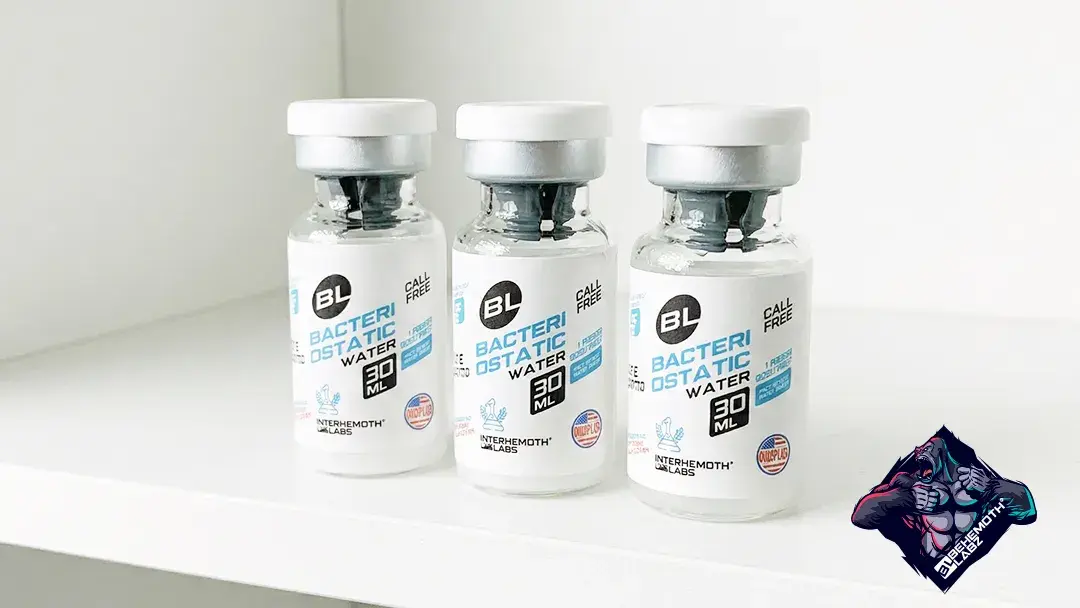
Bacteriostatic water plays a key role in peptide research. It contains benzyl alcohol, which inhibits bacterial growth. This makes it ideal for diluting peptides without rapid contamination. At BehemothLabz, our high-quality bacteriostatic water complements our high-quality peptides. Store it properly, and it can last up to 28 days once opened.
How to Store Bacteriostatic Water?
You open a vial of bacteriostatic water to mix your favourite peptide. It looks clear and ready. But if you stored it poorly, hidden bacteria could ruin your batch. Bacteriostatic water is sterile water containing 0.9% benzyl alcohol. This alcohol acts like a guard, slowing bacterial growth. Unlike plain sterile water, it lets you reuse the vial multiple times safely.
You need bacteriostatic water for peptides, as they require precise dilution. Peptides like BPC-157 or TB-500 from BehemothLabz come as powders. Add bacteriostatic water, and they dissolve into injectable solutions.
Poor storage can lead to issues such as cloudiness, reduced potency, or increased infection risk. Always check labels—BehemothLabz vials come sealed and sterile.
Why does storage matter so much? Heat, light, and air speed up benzyl alcohol breakdown. Bacteria enter through broken seals or unclean hands. Benzyl alcohol remains active when stored properly, maintaining a balanced pH.
You save money, waste is shunned, and research is safe. Studies show benzyl alcohol loses effectiveness above 25°C (77°F), so temperature controls everything.
Essential Supplies for Bacteriostatic Water Storage
Stock up on basics before you store anything. You don't need fancy gear, just smart choices. Here’s your must-have list:
- Sealed vials: Use the original BehemothLabz multi-dose vials. They come with rubber stoppers that reseal tightly.
- Alcohol swabs: 70% isopropyl alcohol wipes kill germs on vial tops before each use.
- Thermometer: A simple digital one monitors fridge temps.
- Labels and markers: Write the date opened and expiration on the tape—sharpies work best.
- Syringes and needles: For drawing—use sterile ones to avoid contaminating the vial.
- Cool, dark storage spot: Your fridge or a dedicated cabinet away from sunlight.
- Skip glass shelves in fridges. They conduct colds unevenly. Opt for fridge-safe bins instead.
Step-by-Step Guide to Storage
- Check for damage. Look for cracks, leaks, or cloudy liquid. Intact seals mean it's good.
- Write the receipt date on the box. Unopened vials last 1-2 years from the date of manufacture, but track them.
- Pick a cool, dark place. Ideal fridge shelf at 2-8°C (36-46°F). Avoid freezer—freezing expands water and cracks vials.
- Place vials standing up in a bin. This keeps rubber stoppers moist and seals tightly.
- No fridge door (temp swings). No near food (cross-contamination risk). No sunlight (degrades benzyl alcohol).
- Follow this, and unopened vials stay potent for years.
Perfect Storage after Opening
- Opening a vial changes everything. Air and hands introduce risks. You now enter "active storage" mode—up to 28 days max. Here's how:
- Keep opened vials in the fridge door's crisper drawer or main compartment. Benzyl alcohol thrives in the cold to fight bacteria.
- Room temperature (above 25°C) allows microbes to multiply quickly. Never leave it out for more than 30 minutes during use.
- Place a thermometer inside for 24 hours. Adjust if needed. BehemothLabz tests show fridge-stored opened vials stay sterile for 4 weeks; room-temp ones spoil in 7-10 days.
- Sunlight photodegrades benzyl alcohol. Store in opaque bins or wrap vials in foil.
- Fridge interiors block most light, but add black cloth sacks for extra safety.
- Always store upright.
- Draw and wipe the top with alcohol and recap tightly.
- Loose caps allow air to penetrate, which can promote bacterial growth. Wash your hands with soap before touching vials.
- Use gloves if possible.
- Swab vial tops every time, alcohol evaporates fast, killing 99.9% germs. Draw the solution slowly to avoid bubbles, which carry contaminants.
Why Choose BehemothLabz For Bacteriostatic Water?
We source pharma-grade water with exactly 0.9% benzyl alcohol. Tamper-proof vials, clear labels, and fast shipping to Gujranwala and beyond. Users rave: "Crystal clear after 25 days in fridge!" Join thousands storing right with our supplies.
Final Thoughts
You now hold the keys to flawless bacteriostatic water storage. Fridge it cold, keep it dark, handle clean, and track dates. Waste drops, safety rises, and your BehemothLabz peptides shine. Start today—grab a bin, label up, and protect your stash.
FAQs
What is the alternative to bacteriostatic water?
In emergency situations where bacteriostatic water is unavailable, sterile normal saline may be used for single-dose reconstitutions under professional guidance.
What is bacteriostatic water?
Bacteriostatic water is prepared using sterile/filtered water, and all bacteria have been eliminated. This is then combined with benzyl alcohol at 0.9 percent, which prevents the bacteria contaminating the water from growing.
What is the difference between sterile and bacteriostatic water?
Bacteriostatic water is sterile water containing benzyl alcohol that prevents bacterial growth. Water devoid of microbes is called sterile water.
