
SARMs
YK11 VS RAD 140: Mechanism, Benefits, and Key Differences
12
Sep
Sep
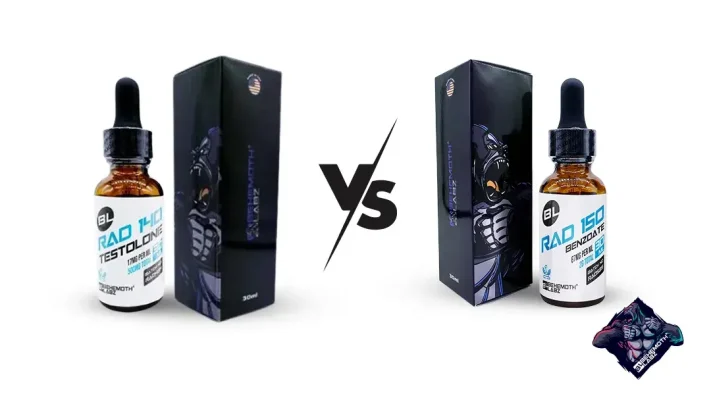
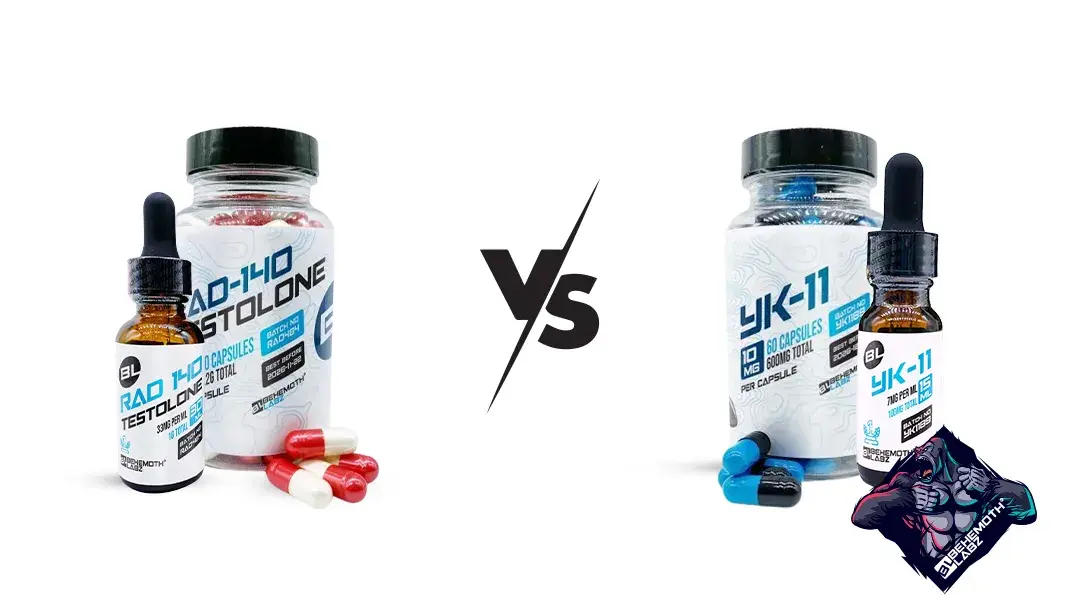
In the ongoing research studies on different SARMs, two names have always caught the attention: RAD140 and YK11. Both are known for their potential to influence parameters associated with muscle hypertrophy, skeletal integrity, and adipose tissue reduction. But do these similar benefits make these compounds identical? If so, to what extent; if not, then what are the key differences? This blog answers these questions.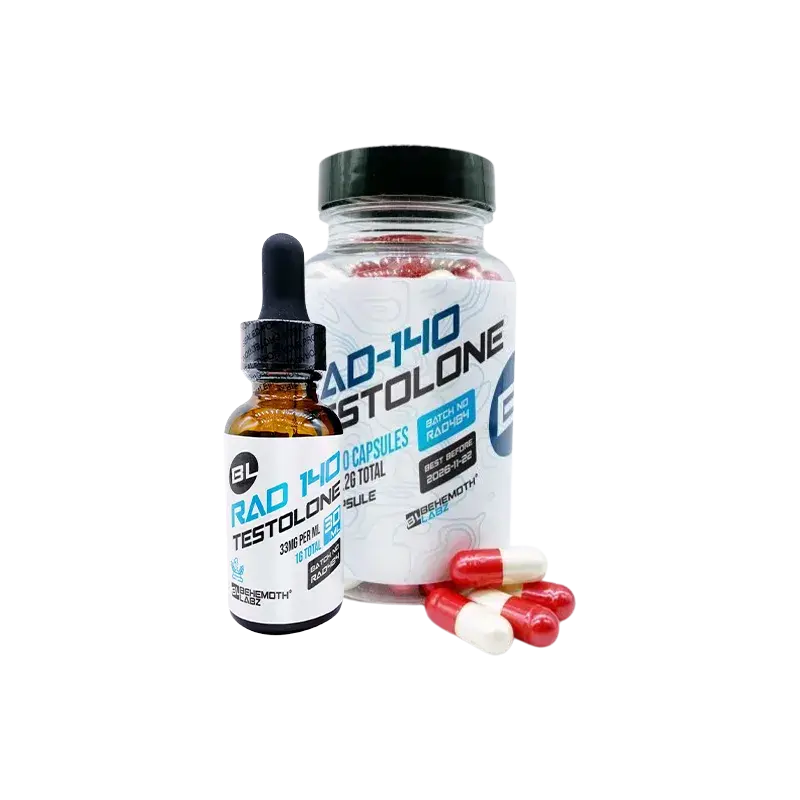 RAD140 is a potent Selective Androgen Receptor Modulator (SARM). It contains a benzimidazole ring, a cyano group, and a hydroxyl group in its structure. It has a slightly different structure from testosterone, but even then, it may mimic its effects in experimental models during trials. While mimicking the effects of testosterone, RAD140 may influence pathways linked to muscle hypertrophy, skeletal integrity, and fat metabolism in research models.
 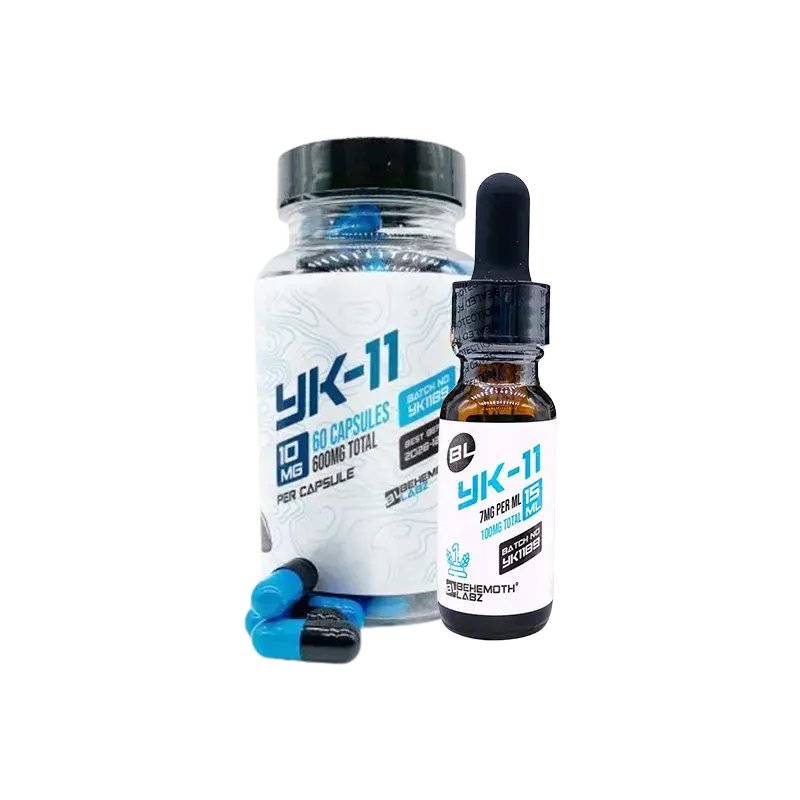 YK11 is a non-steroidal Selective Androgen Receptor Modulator (SARM). It has been developed from Dihydrotestosterone (DHT), a naturally occurring hormone. It has a slightly different structure from that of DHT and testosterone. This is the reason it selectively binds with androgen receptors in animal models during studies. Additionally, YK11 contains a steroid backbone with a unique spiro (methylene bridge) structure, distinguishing it from traditional SARMs. Regarding its influence in laboratory models, it includes modulating muscle hypertrophy and skeletal integrity.
What Is RAD 140?
RAD140 is a potent Selective Androgen Receptor Modulator (SARM). It contains a benzimidazole ring, a cyano group, and a hydroxyl group in its structure. It has a slightly different structure from testosterone, but even then, it may mimic its effects in experimental models during trials. While mimicking the effects of testosterone, RAD140 may influence pathways linked to muscle hypertrophy, skeletal integrity, and fat metabolism in research models. What Is YK11?
YK11 is a non-steroidal Selective Androgen Receptor Modulator (SARM). It has been developed from Dihydrotestosterone (DHT), a naturally occurring hormone. It has a slightly different structure from that of DHT and testosterone. This is the reason it selectively binds with androgen receptors in animal models during studies. Additionally, YK11 contains a steroid backbone with a unique spiro (methylene bridge) structure, distinguishing it from traditional SARMs. Regarding its influence in laboratory models, it includes modulating muscle hypertrophy and skeletal integrity. Mechanisms Of Actions Of YK11 And RAD140
- RAD-140: During animal model research studies, RAD140 may bind with androgen receptors in muscle and bone. This binding mimics the effects of testosterone, which modulate muscle hypertrophy and improve skeletal integrity in animal models. Moreover, it may also influence indicators associated with adipose tissue, leading to weight loss patterns in research models.
- YK11: After being administered to laboratory models, YK11 may bind with androgen receptors, especially in muscle and bone areas. In return, this binding may signal influence on several pathways. For instance, this signals muscles to enhance the production of follistatin in animal models during studies. Follistatin reduces myostatin. Myostatin is a protein that stops the pathways linked with muscle growth in research models. Similarly, YK11 may also modulate bone integrity pathways in models.
Similar Benefits Of YK11 And RAD140
Both YK11 and RAD 140 belong to the category of SARMs. They both share similarities, including similar benefits. Here is the list of similar benefits of both of them:Muscle Hypertrophy:
Influencing muscle hypertrophy is the first similar benefit these SARMs may demonstrate in animal models. For muscle hypertrophy, these SARMs influence the pathways linked with myostatin inhibition and protein synthesis. The myostatin inhibition and protein synthesis modulate muscle hypertrophy in animal models during studies.Skeletal Strength Support:
Another similar benefit these SARMs may demonstrate in experimental models is skeletal strength support. To influence skeletal support strength, these SARMs may bind with androgen receptors in bones and modulate osteoblast cell activities. Through osteoblast cell activities, these SARMs may influence skeletal strength support in animal models.Fat Loss:
Modulating the pathways associated with fat loss is another potential benefit these SARMs may demonstrate in animal models during trials. For modulating fat loss, these SARMs may affect the activities of lipolysis, which is the breakdown of large fatty acid molecules into smaller ones. Through lipolysis influence, these SARMs improve the patterns linked with fat loss during studies.Key Differences Between YK11 And RAD140
Here is the list of key differences between YK11 and RAD140, observed in animal model studies during trials:Chemical Structure:
- RAD-140: It is an entirely synthetic SARM. It has a benzimidazole ring and a cyano and hydroxyl group in its structure, mimicking the effects of testosterone during studies.
- YK11: It is derived from Dihydrotestosterone (a byproduct of testosterone). It has a spiro ring, four carbon rings, and an ester group in its structure.
Mechanism of Action:
- RAD-140: RAD-140 may work by binding with androgen receptors in muscle and bone tissues in animal models. Through this binding, RAD140 may selectively influence multiple pathways in research models during clinical trials.
- YK11: YK11 may work by inhibiting myostatin protein. For this inhibition, it may bind with androgen receptors in muscles and improve the patterns linked with follistatin secretion. The more follistatin is secreted, the more myostatin level drops in research models during the experiment.
Different Muscle Building Approach:
- RAD-140: The approach of RAD140 is to bind with androgen receptors in the muscles of laboratory models. This binding may signal muscle hypertrophy in models during studies.
- YK11: The approach of YK11 to influence muscle building is to reduce the levels of myostatin proteins in animal models. For myostatin decrease, YK11 may improve follistatin secretion, as observed during studies. Through decreasing myostatin levels, YK11 affects muscle building in research models.
Safety Profile:
- RAD-140: Based on the current studies, RAD140 is considered to be the safe option. It only causes mild to moderate side effects.
- YK11: YK11 may cause oxidative stress in animal models during studies. However, due to limited studies, less is known about its long-term safety.
Which SARM Is Better: YK11 Or RAD140
There are no universal parameters to determine the best among SARMs. Every SARM has a different usage, and based on its usage, researchers consider and label them the best. In the current debate, the best between them depends on research goals, objectives, and research environment. For effective muscle hypertrophy and fat loss effects with minimal side effects, RAD-140 may be the best option for research studies. On the other hand, YK11 may be the best choice for muscle hypertrophy and bone strength integrity support in research models.Final Thought
RAD140 and YK11 are the two synthetic SARMs. RAD140 is entirely synthetic, whereas YK11 is derived from DHT hormones. They both share similarities like muscle hypertrophy, skeletal strength, integrity, and fat loss effects. On the other hand, they also differ from each other in terms of mechanism of action, chemical structure, and their approach to muscle building. The best SARM between them depends on research goals, objectives, and research environment.Frequently Asked Questions (FAQs)
What is the main difference between RAD140 and YK11?
RAD-140 is a synthetic non-steroidal SARM with a benzimidazole ring and cyano and hydroxyl groups in its structure. On the other hand, YK11 is derived from dihydrotestosterone (DHT) and features a steroid backbone with a spiro structure.Do RAD140 and YK11 have similar benefits in research models?
Yes, RAD140 and YK11 have similar benefits in research subjects during clinical trials. These similar benefits may include muscle hypertrophy, bone integrity support, and fat loss in animal models.Can RAD140 and YK11 be used together in research studies?
Yes, RAD140 and YK11 may be combined to explore their synergistic effects. However, due to limited studies, less is known about their safety profile.Is YK11 stronger than RAD140 in research subjects?
YK11 is considered to have more potent effects on muscle hypertrophy in research models during clinical trials. However, RAD140 provides a more balanced anabolic impact in animal models during studies.