




Supplements
TUDCA: Benefits and Side Effects Explained
24
Nov
Nov
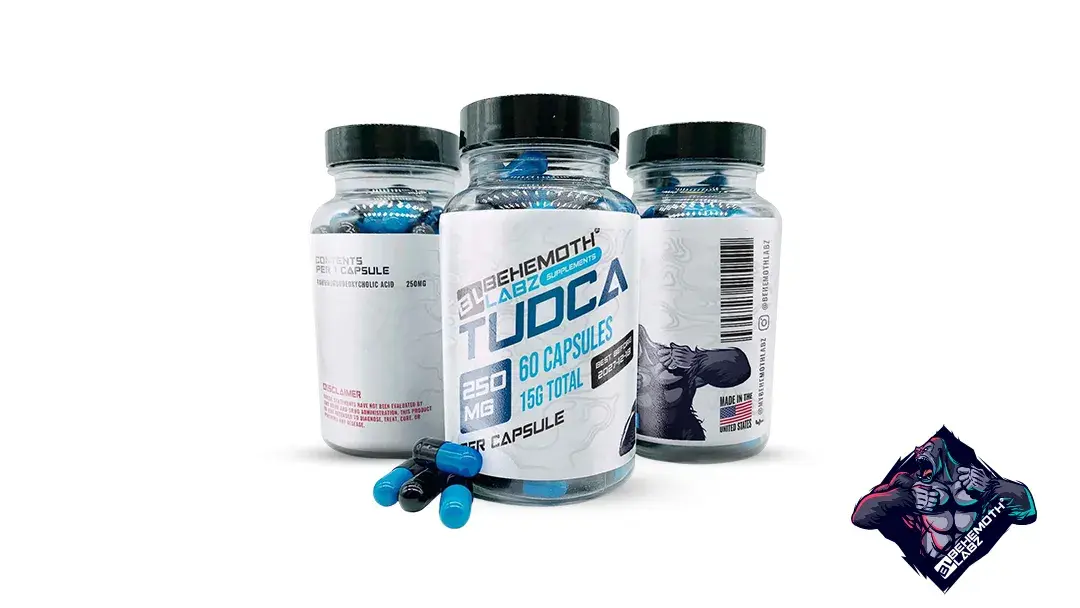
TUDCA has been termed a chemical chaperone in the scientific community. Researchers are widely investigating its effects on hepatic, renal, and cellular health in preclinical models. But how does it affect all these pathways, and why is it termed a chemical chaperone? This blog explains in detail what TUDCA is, its benefits and side effects, and its role as a chemical chaperone. Read this blog and gain insight into TUDCA! 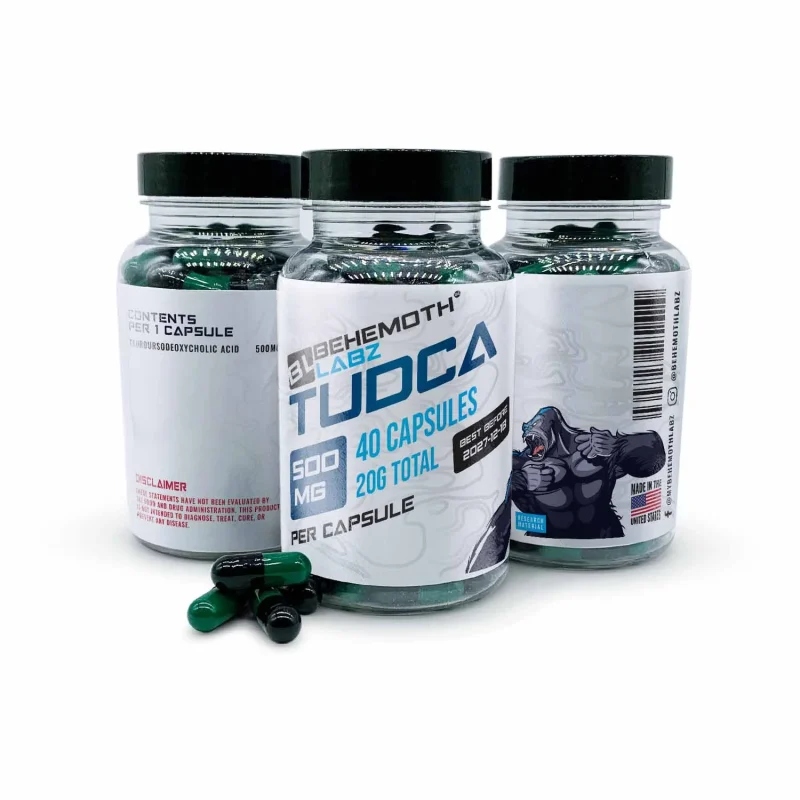 TUDCA stands for Tauroursodeoxycholic Acid. It is produced in small amounts by the liver in experimental models. It has been used in ancient China as a medicine for liver health. In today’s world, researchers are studying its impacts on renal, hepatic, cellular, metabolic, and cardiovascular health in preclinical models.
What is TUDCA?
TUDCA stands for Tauroursodeoxycholic Acid. It is produced in small amounts by the liver in experimental models. It has been used in ancient China as a medicine for liver health. In today’s world, researchers are studying its impacts on renal, hepatic, cellular, metabolic, and cardiovascular health in preclinical models. How is TUDCA formed?
Naturally, TUDCA is produced in the liver and gallbladder, but its production has also been initiated in a laboratory in recent years. It was first obtained from animals for medicinal use, but it is now also synthetically produced from a combination of ursodeoxycholic acid (UDCA) and taurine. Such TUDCA produced in the laboratory retains its purity and is free from animal sources.How Does TUDCA Work?
In laboratory studies, when TUDCA is administered to biological models, it neutralizes toxins in bile acids. It regulates bile flow, affecting overall functions and hepatic health. Additionally, it may affect the stress-related patterns that prevent apoptosis (cell death) in preclinical models.TUDCA as a Chemical Chaperone
Chemical chaperones are small molecules that help proteins fold correctly inside the cells of preclinical models. In cases of stress, toxins, or metabolic imbalance, this folding is disrupted. This also causes cell dysfunction or, in some cases, cell death. In this regard, TUDCA is being investigated to understand how it affects protein folding in cells from preclinical models. In vitro studies have shown that TUDCA helps remove toxins or balance metabolic stress. This helps stabilize protein structure and promotes proper protein folding. Based on this potential, researchers have hypothesized that TUDCA could serve as a chemical chaperone in preclinical models.Research Applications/Potential Benefits of TUDCA
The popularity of TUDCA has been increasing rapidly in recent times in research communities. For this purpose, TUDCA has been trialed in preclinical studies. Laboratory tests have shown the following potential benefits of TUDCA.Hepatic (liver) and Gallbladder Impacts
In animal studies, TUDCA has been shown to reduce excessive liver fat accumulation. This protects animals against various liver diseases, including fatty liver disease. Similarly, TUDCA may affect pathways associated with hepatic inflammation and injury. In return, this may protect the liver against potential damage and promote effective hepatic health in preclinical models.Cellular Health
TUDCA has shown potential to support cellular health, as it enhances cell survival in experimental studies. It may also detoxify cells, thereby reducing oxidative stress. Further, it may also affect mitochondrial stability and decrease endoplasmic reticulum (ER) stress. It may also affect pathways linked to cell death by balancing the Unfolded Protein Response (UPR). Based on this potential, researchers have assumed that TUDCA may affect overall health in preclinical models.Effects on the Metabolic and Endocrine System
Some laboratory studies suggest possible effects of TUDCA on metabolism and insulin responses. It has been found to support blood sugar control and reduce insulin resistance in limited preclinical models. A few preliminary studies have also shown that it may affect glucose tolerance in biological samples. This may improve glucose uptake by cells in preclinical models. Further, it may impact management by playing a pivotal role in reducing obesity, but human clinical trials are limited in this regard.Potential Effects on Brain Health and the Nervous System
Laboratory research suggests that it helps prevent neurodegenerative pathways in preclinical models. Preclinical trials have shown that TUDCA affects neurons by supporting mitochondrial function in brain cells. Research also indicates that it may impact the parameters involved in improving memory in preclinical models.Importance of Digestive and Gut Health
In preclinical trials, TUDCA has shown potential to alter patterns linked to inflammation, oxidative stress, and cell death. Similarly, it has demonstrated potential to affect hepatic health and bile flow in preclinical studies. Based on this potential, researchers hypothesize that TUDCA could affect digestive and gut health in preclinical models.Associated Side Effects of TUDCA
The potential side effects observed during preclinical studies are as follows:- Nausea
- Headache
- Gastrointestinal disturbances
- Metabolic fluctuations
- Fatigue
- Disruption of bile acid balance
Legal Status
The Food and Drug Administration has not approved TUDCA for human consumption. Therefore, it is currently on the FDA’s prohibited items list. However, researchers can use it for laboratory research studies.Final Thought
TUDCA is a research chemical. It has been investigated for its impacts on renal, hepatic, and cellular health in preclinical models. Based on its potential consequences, it has been termed a chemical chaperone. Despite its potential benefits, it may also cause side effects if not correctly administered. Regarding its legal status, it is currently on the FDA’s prohibited list.Frequently Asked Questions (FAQs)
What is the TUDCA supplement used for in laboratory studies?
It has been used for overall well-being research, but mainly for liver health in preclinical models during laboratory studies.Is TUDCA hard on the kidneys of preclinical models?
Early preclinical trials suggest that TUDCA may not harm kidney function when appropriately administered at adequate doses.Who should avoid taking TUDCA during laboratory experiments?
Pregnant models and those experimental models who have underlying health issues must avoid taking TUDCA in laboratory experiments.What are the disadvantages of TUDCA?
It may cause diarrhea, nosebleeds, and headaches in preclinical models.What are the differences between UDCA and TUDCA?
UDCA is a natural bile acid. It is converted to TUDCA when conjugated with taurine (an amino acid).References
- Zangerolamo, Lucas, et al. "The bile acid TUDCA and neurodegenerative disorders: An overview." Life sciences 272 (2021): 119252.
- Cabrera, Daniel, Juan Pablo Arab, and Marco Arrese. "UDCA, NorUDCA, and TUDCA in liver diseases: a review of their mechanisms of action and clinical applications." Bile Acids and Their Receptors (2019): 237-264.
- Freitas, Israelle Netto, et al. "Insights by which TUDCA is a potential therapy against adiposity." Frontiers in endocrinology 14 (2023): 1090039.
- Lee, Yeon Yi, et al. "Tauroursodeoxycholate (TUDCA), chemical chaperone, enhances function of islets by reducing ER stress." Biochemical and biophysical research communications 397.4 (2010): 735-739.
- Yanguas‐Casás, Natalia, et al. "TUDCA: An agonist of the bile acid receptor GPBAR1/TGR5 with anti‐inflammatory effects in microglial cells." Journal of cellular physiology 232.8 (2017): 2231-2245.
- Heubi, James E., et al. "Tauroursodeoxycholic acid (TUDCA) in the prevention of total parenteral nutrition-associated liver disease." The Journal of Pediatrics 141.2 (2002): 237-2.
