




SARMs
YK11 Side Effects Explained
11
Dec
Dec
Knowing the side effects of YK11 is the first step in beginning your research. This helps avoid its negative effects and streamlines your research. Therefore, we have made this task easy for you. In this blog, we have explained all possible side effects of YK11.
Read them before embarking on your laboratory experiment!
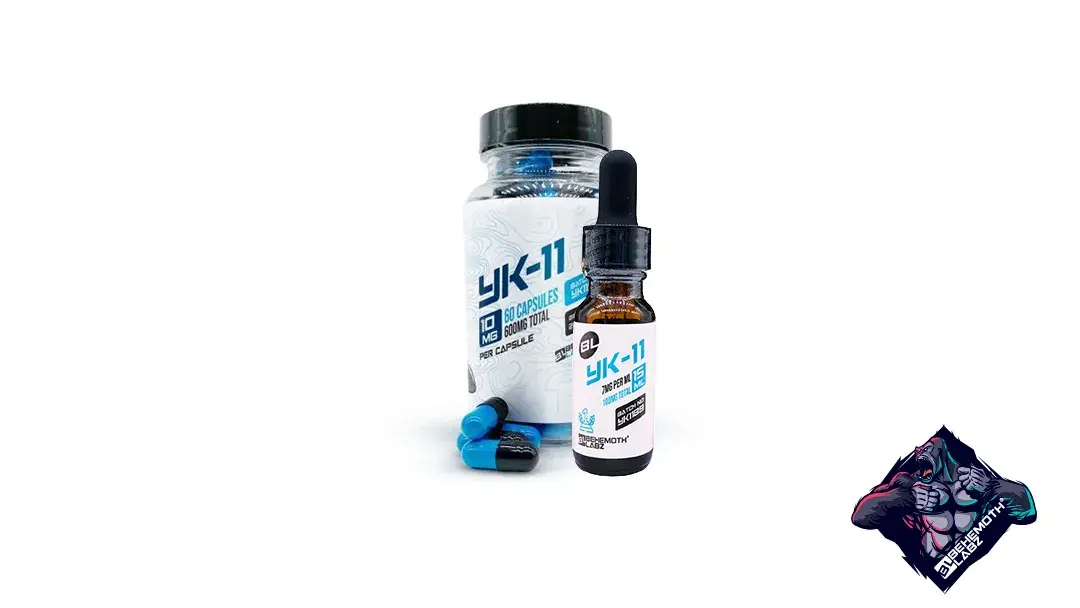
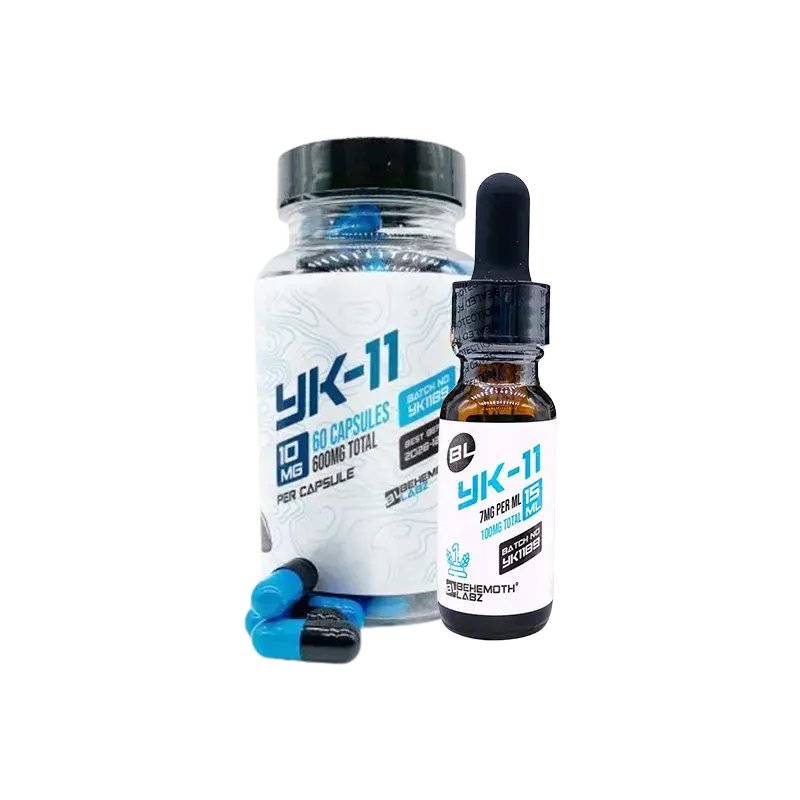 YK11 is a synthetic compound with potential similar to that of SARMs (Selective Androgen Receptor Modulators). It has been investigated for its potential to influence muscle hypertrophy, skeletal health, and fat metabolism in preclinical settings. Regarding its mechanism of action, it may work in two different ways.
First, it may bind with androgen receptors in muscle and bone tissues of preclinical models. This binding may trigger the pathways involved in muscle growth and bone health. Second, it may inhibit the patterns linked to myostatin (a protein that inhibits muscle growth).
This potential inhibition of myostatin may impact muscle growth pathways in preclinical models.
YK11 is a synthetic compound with potential similar to that of SARMs (Selective Androgen Receptor Modulators). It has been investigated for its potential to influence muscle hypertrophy, skeletal health, and fat metabolism in preclinical settings. Regarding its mechanism of action, it may work in two different ways.
First, it may bind with androgen receptors in muscle and bone tissues of preclinical models. This binding may trigger the pathways involved in muscle growth and bone health. Second, it may inhibit the patterns linked to myostatin (a protein that inhibits muscle growth).
This potential inhibition of myostatin may impact muscle growth pathways in preclinical models.
What is YK-11?
YK11 is a synthetic compound with potential similar to that of SARMs (Selective Androgen Receptor Modulators). It has been investigated for its potential to influence muscle hypertrophy, skeletal health, and fat metabolism in preclinical settings. Regarding its mechanism of action, it may work in two different ways.
First, it may bind with androgen receptors in muscle and bone tissues of preclinical models. This binding may trigger the pathways involved in muscle growth and bone health. Second, it may inhibit the patterns linked to myostatin (a protein that inhibits muscle growth).
This potential inhibition of myostatin may impact muscle growth pathways in preclinical models.
YK-11 Side Effects
Although beneficial in preclinical settings, YK11 may cause some side effects. Here is a detailed overview of the side effects:- Hormonal Fluctuation:
- Liver Toxicity:
- Joint Pain:
- Psychological Impact or Mood Changes:
Factors Influencing YK-11 Side Effects
Some factors may influence YK-11's side effects in laboratory studies. Therefore, we need to understand them one by one. Here are the complete details of these factors:- Amount of Dosage:
- Duration of Dosage Cycle:
- Underlying Health Condition of Preclinical Models:
- Stacking with Other Compounds:
How to Manage YK-11 Side Effects
To manage side effects of YK11 during laboratory studies, researchers must adhere to the following guidelines:- Start From a Low Dose:
- Adhere to the Recommended Dosage and Cycle Length:
- Avoid Stacking YK-11 with Other Compounds:
- Monitor Progress Periodically:
Final Thought
Despite being beneficial, YK11 may cause side effects in preclinical models; these side effects may include liver toxicity, joint pain, and hormonal fluctuation. Behind these side effects are factors that may alter them. To manage these side effects, researchers must follow the guidelines outlined above.Frequently Asked Questions (FAQs)
How long does YK11 stay in the system?
There is no confirmed half-life for YK11 in the system. However, some preclinical studies suggest it may remain in the system for 24 to 72 hours.Does YK11 affect myostatin?
Yes, YK11 may alter myostatin signaling in preclinical models, thereby affecting muscle hypertrophy.Is YK11 neurotoxic?
We cannot say anything about it, as YK11 has never been studied in clinical trials on humans.What is YK11 used for in preclinical studies?
YK11 is used to observe its impacts on myostatin inhibition and muscle hypertrophy in preclinical models.Do SARMs increase libido in preclinical models?
Yes, preclinical studies suggest that some SARMs may affect pathways associated with libido.References:
- Lee, Su Jin, et al. "Myostatin inhibitor YK11 as a preventative health supplement for bacterial sepsis." Biochemical and Biophysical Research Communications 543 (2021): 1-7.
- Dahleh, Mustafa Munir Mustafa, et al. "From gains to gaps? How Selective Androgen Receptor Modulator (SARM) YK11 impacts hippocampal function: In silico, in vivo, and ex vivo perspectives." Chemico-Biological Interactions 394 (2024): 110971.
- Dahleh, Mustafa Munir Mustafa, et al. "YK11 induces oxidative stress and mitochondrial dysfunction in hippocampus: The interplay between a selective androgen receptor modulator (SARM) and exercise." The Journal of Steroid Biochemistry and Molecular Biology 233 (2023): 106364.
- Harding, Caitlin, et al. "Equine metabolism of the selective androgen receptor modulator YK‐11 in urine and plasma following oral administration." Drug testing and analysis 15.4 (2023): 388-407.
- Yatsu, Tomofumi, et al. "Selective androgen receptor modulator, yk11, up-regulates osteoblastic proliferation and differentiation in mc3t3-e1 cells." Biological and Pharmaceutical Bulletin 41.3 (2018): 394-398.
- Wang, Renyi, et al. "YK11 promotes osteogenic differentiation of BMSCs and repair of bone defects." Journal of Molecular Endocrinology 74.2 (2025).
