



Peptides
Bacteriostatic Water vs Sterile Water
Feb
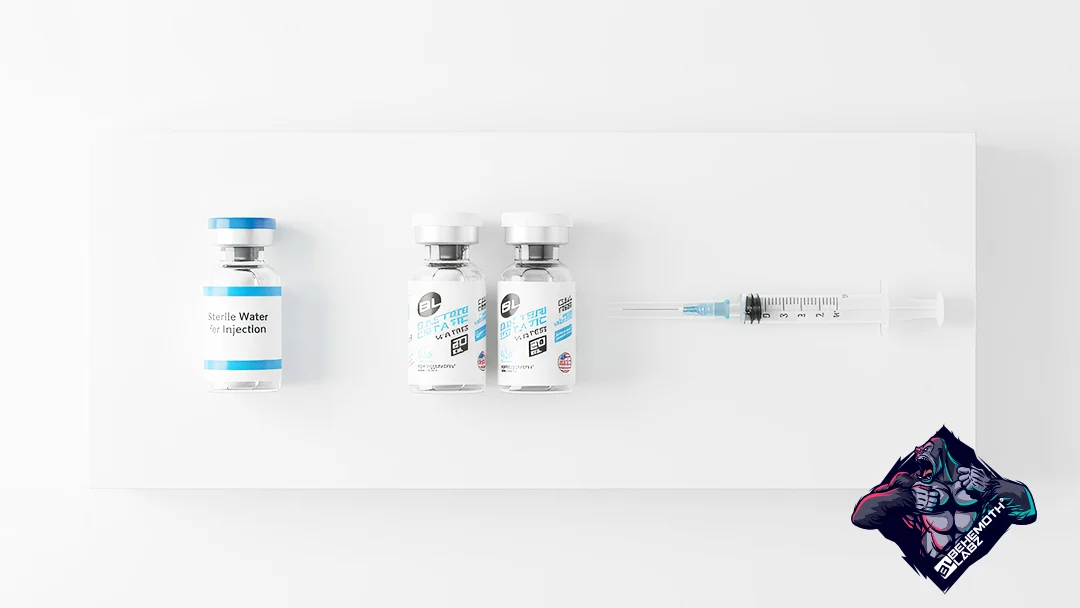
Are you worried about knowing the real difference between bacteriostatic water or sterile water? Don’t sweat it. This guide breaks it all down. At BehemothLabz, we know choosing the right solvent matters for safe, effective results.
Whether you’re reconstituting SARMs, peptides like BPC-157, or other research compounds, the wrong water can ruin your batch or slow you down. This blog compares bacteriostatic water and sterile water head-to-head.
Bacteriostatic Water Versus Sterile Water
Bacteriostatic water helps keep bacteria in check, so your solutions stay fresh longer. Manufacturers add 0.9% benzyl alcohol as a preservative. This alcohol stops bacteria from growing without killing them outright. Think of it like a bouncer at a club. It keeps troublemakers from multiplying.
Doctors and researchers love it for multi-dose vials. You draw out a bit. Inject it, then store the rest. The benzyl alcohol ensures no bacterial party starts in the fridge. At BehemothLabz, we stock high-purity bacteriostatic water perfect for our peptide lineup. It dissolves compounds smoothly and keeps them stable for weeks.
Sterile water offers crystal-clear purity with zero preservatives. They filter or autoclave regular water to remove every last microbe, endotoxin, or particle. There are no additives. Just H2O in its cleanest form. It meets USP standards for injection-grade purity.
This water works great for single-use scenarios. Once you open it, use it all right away. It spoils fast if stored. Hospitals grab it to dilute meds or flush lines, where freshness trumps longevity.
At BehemothLabz, we carry sterile water for folks who need it. Pair it with short-term protocols or ultra-sensitive compounds. It mixes fast and leaves no residue.
Further Explanation of Bacteriostatic vs Sterile Water
Both waters look identical in the vial. Clear and colorless. But their differences pop under scrutiny.
| Features | Bacteriostatic Water | Sterile Water |
| Shelf-life | Up to 28 days if refrigerated | Hours to 24 hours maximum |
| Preservative | 0.9% benzyl alcohol | None |
| Best for | Multi-dose vials, peptides, or SARMs | Single-use and immediate applications |
| Risk of Bacteria | Low | High |
| Price | Slightly higher due to preservative | Cheaper |
How to Make Bacteriostatic Water
Factories start with ultra-pure water. They sterilize it via autoclave or filtration to zap any microbes. Then, they mix in benzyl alcohol precisely. The final product gets packaged in sterile vials under cleanroom conditions. No shortcuts. Quality control tests every batch for purity and preservative potency.
One key fact is that bacteriostatic water is best suited for non-IV uses. Hospitals use it for intramuscular or subcutaneous injections. In research, it shines for reconstituting peptides such as TB-500 and semaglutide analogs. You get up to 28 days of usable time after opening.
The Production Process behind Sterile Water
Plants use double-distillation or reverse osmosis first. Then, they sterilize via heat or filters that trap bacteria. Packaging happens in sterile environments. Each vial undergoes pyrogen testing to ensure no fever-causing toxins linger.
Everyday Uses of Bacteriostatic Water in Laboratory Trials
Picture this: you buy our premium BPC-157 from BehemothLabz. The vial arrives freeze-dried. Grab bacteriostatic water. Inject 2ml into the vial. Then gently swirl. Your peptide solution is ready. Use 0.5ml daily for a month from the same vial in your experimental trials. No waste, no worries about contamination.
Common Applications of Bacteriostatic Water and Sterile Water
You flush IV lines with it or dilute high-concentration drugs. In research, reconstitute peptides for immediate use, such as for a one-off lab test. Example: Our Ipamorelin peptide works well with sterile water if you use the entire vial in a single session. No benzyl alcohol means zero interference for sensitive assays.
Bacteriostatic water wins for most research needs. It saves money on waste and keeps things safe longer. Sterile water edges out for purity-critical, one-and-done jobs.
Purity and Safety Breakdown
Both pass strict sterility tests. Sterile water boasts lower total organic carbon (TOC) levels vs bacteriostatic’s slight bump from benzyl alcohol. But here’s the kicker- benzyl alcohol is safe at 0.9%.
Studies show no toxicity issues in adults. Rare allergic reactions happen, but that's very rare. Sterile water is more prone to contamination since nothing stops invaders after opening.
Why Bacteriostatic Water Dominates Peptide and SARM Reconstitution
Peptides arrive dry to boost shelf life. You add water to reconstitute them into an injectable form. Bacteriostatic water rules here. Its preservative lets you dose over days or weeks.
Sterile water? You'd waste most of it. Open the vial, reconstitute, and use within hours or toss it. Not practical for busy researchers.
Pros and Cons
Bacteriostatic Water Pros
- Long shelf life
- Saves cash
- Inhibits bacteria effectively.
- Ideal for home research kits
Cons
- Not for infants (benzyl risk)
- Slight taste/smell from alcohol
Sterile Water Pros
- Ultimate purity
- No additives interfere
- Cheap for bulk single-use
Cons
- Short life post-opening
- High waste risk
- Needs same-day use
Choose based on your protocol length. Shop BehemothLabz for lab-tested options. Free shipping over $100. Third-party purity certs included.
Is It Legal?
Both waters are legal for research. Not for human use outside clinics. BehemothLabz sells "research only’’ tags.
Final Thoughts
Bacteriostatic water crushes sterile for most needs. Longer life, safer storage, peptide perfection. Sterile fits one-shots. At BehemothLabz, stock up on both and experiment confidently.
FAQs
What is bacteriostatic water?
Bacteriostatic water is made from sterile, filtered water, with all bacteria removed. It is then mixed with 0.9% benzyl alcohol, which prevents any contaminating bacteria from growing in the water.
What is the alternative to bacteriostatic water?
In emergency situations where bacteriostatic water is unavailable, sterile normal saline may be used for single-dose reconstitutions under professional guidance.
What’s the difference between sterile and bacteriostatic water?
Bacteriostatic water is sterile water that contains benzyl alcohol to prevent bacterial growth. Sterile water is water that does not have any microbes in it. Bacteriostatic solutions differ from bactericidal solutions in that they only prevent bacterial growth rather than kill bacteria upon exposure.
