




Prohormones, SARMs
Prohormones VS SARMs: Side by Side Comparison
Nov
Despite sharing similarities, prohormones and SARMs are two different research compounds. They are investigated for various conditions related to muscle hypertrophy, skeletal health, and fat metabolism in preclinical settings.
Let’s understand in detail Prohormones VS SARMs, what these compounds are and how they share similarities and differences.
What are Prohormones?
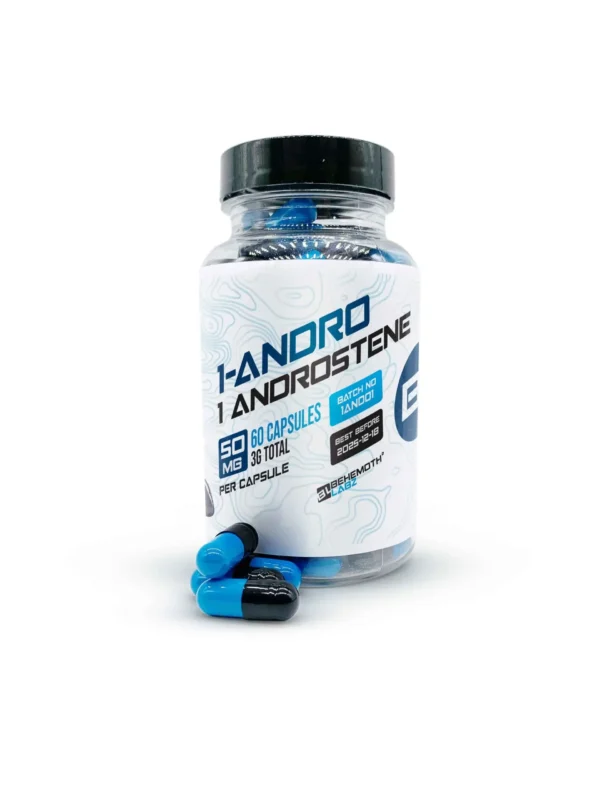
Prohormones are chemical compounds that are precursors to hormones. This means they are converted to active hormones (testosterone or other androgens) through an enzymatic process in preclinical models. This conversion usually occurs in the liver, where inactive compounds are converted into active hormones.
In a research environment, they are investigated for their effects on muscle hypertrophy, skeletal health, bone integrity, and adipose tissue reduction in preclinical models.
Examples of famous prohormones:
What are SARMs?
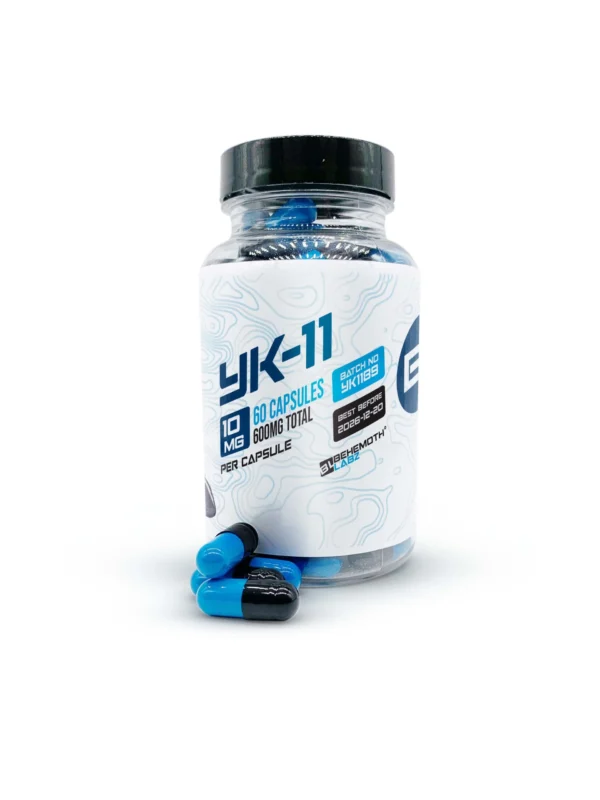
SARMs stand for Selective Androgen Receptor Modulators. They are designed to mimic the effects of traditional anabolic steroids in experimental settings. But there is a slight difference between SARMs and conventional anabolic steroids. The conventional anabolic steroids also affect other parts, such as the prostate gland and the liver, while influencing muscle growth and skeletal health patterns.
On the other hand, SARMs are designed to bind with androgen receptors only in the muscle and bone tissue in experimental settings. This potential to bind a specific androgen receptor distinguishes SARMs from traditional steroids. Apart from that, SARMs have been investigated to understand their impacts on muscle hypertrophy, skeletal health, bone integrity, and adipose tissue reduction in preclinical models.
Examples of famous SARMs:
Mechanism of Action
The mechanism of action of SARMs and prohormones is as follows:
Mechanism of Action of Prohormones:
After administration to preclinical models, prohormones reach the liver via the bloodstream. In preclinical models, they are converted into active hormones by enzymatic processes. These active hormones may bind with androgen receptors to influence various pathways. These pathways are associated with protein synthesis, muscle hypertrophy, and bone health integrity in preclinical models.
Mechanism of Action of SARMs:
After being administered to preclinical models, SARMs may bind with androgen receptors, particularly in the muscle and bone tissues. This binding influences the patterns involved in protein synthesis, muscle hypertrophy, skeletal health, and adipose tissue reduction in preclinical models.
Similar Potential Benefits of SARMs and Prohormones
The similar potential benefits of SARMs and prohormones are as follows:
Muscle Hypertrophy:
In preclinical studies, these compounds have been shown to affect pathways involved in muscle hypertrophy. They have the potential to influence protein synthesis, potentially helping prevent muscle breakdown in preclinical models. Additionally, they may also accelerate repair and regeneration of muscle tissue, leading to muscle hypertrophy in preclinical models.
Skeletal Health:
During laboratory studies, researchers also experienced a potential improvement in skeletal health of preclinical models. This impact on skeletal health was observed when these compounds influenced osteoblast cell activities in preclinical settings. Through osteoblasts, minerals were transported to bone tissue, leading to skeletal integrity in preclinical models.
Adipose Tissue Reduction:
In preclinical settings, these compounds have been shown to reduce adipose tissue in models. This reduction was observed in two ways: first, through a potential impact on lean muscle mass patterns and lipolysis. In preclinical models, lipolysis cleaves large fatty acids into smaller ones. In short, through lipolysis and increased muscle mass, researchers observed a potential reduction in adipose tissue during laboratory experiments.
Key Similarities Between Prohormones and SARMs
The key similarities between prohormones and SARMs are as follows:
| Similarities | Prohormones | SARMs |
| Binding with Androgen Receptors | Prohormones may bind with androgen receptors to influence various pathways in preclinical models. | SARMs may also bind with androgen receptors in muscle and bone tissues in preclinical models. |
| Similar Potential Benefits | Prohormones may influence parameters related to muscle hypertrophy, skeletal health, and adipose tissue reduction in preclinical models. | SARMs may also influence pathways linked with muscle hypertrophy, skeletal health, and adipose tissue reduction in preclinical models. |
| Similar Side Effects | Prohormones may cause nausea, dizziness, and fatigue in preclinical models during laboratory studies. | SARMs may also cause nausea, headache, fatigue, and dizziness in preclinical models during laboratory studies. |
| Similar Legal Status | Prohormones are not allowed for human consumption by the FDA. | Similarly, SARMs are also not allowed by the FDA for human consumption. |
Key Differences Between Prohormones and SARMs
The key differences between prohormones and SARMs are as follows:
| Differences | Prohormones | SARMS |
| Nature and Chemical Structure | Prohormones are available in an inactive form and serve as precursors to hormones. | SARMs are synthetic compounds that have the potential to mimic anabolic properties in preclinical models. |
| Binding | Prehormones are required to be converted into active hormones, which then bind to androgen receptors in preclinical models. | SARMs may directly bind to androgen receptors in muscle and bone tissues of preclinical models. |
| Selective and Unselective Nature | Prohormones may bind with androgen receptors anywhere. | SARMs may only bind to androgen receptors in muscle and bone tissues in preclinical models. |
| Strength of Effects | Prohormones have shown potent effects on muscle hypertrophy and skeletal health in preclinical models. | SARMS have been shown to have moderate effects on muscle hypertrophy and skeletal health in preclinical models. |
| Conversion into Estrogen | Prohormones may convert into estrogen or DHT in preclinical models during laboratory studies. | SARMs may not convert into estrogen or DHT in preclinical models during experiments. |
Associated Side Effects of SARMs and Prohormones
| Side Effects of SARMs | Side Effects of Prohormones |
| Itching | Acne |
| Hormonal fluctuation | Hormonal fluctuation |
| Nausea | Nausea |
| Headache | Headache |
| Fatigue | Water retention |
| Dizziness | Liver toxicity |
Note: These side effects were observed during preclinical trials of the compounds; therefore, they may vary from subject to subject as the research continues.
Legal Status
As for the legal status of these compounds, they are not permitted for human consumption. For human consumption of any compound, it is necessary to meet the standards of the Food and Drug Administration. As these compounds are still in clinical trials, they are strictly prohibited for human use. However, scientists or researchers can use them for laboratory experiments.
Final Thought
Prohormones and SARMs are two research compounds. Prohormones are precursors to hormones, whereas SARMs are selective androgen receptor modulators. They share similarities as well as differences. Their legal status is unclear, as they remain on the FDA's list of prohibited uses in humans.
Frequently Asked Questions (FAQs)
What is the best place for purchasing SARMs and Prohormones Online?
The best place to purchase SARMs and prohormones is BehemothLabz. At BehemothLabz, all products are specifically designed to meet industry standards and researchers’ requirements.
What are prohormones?
Prohormones are the inactive form of chemical compounds. They are known as precursors to hormones, as they are converted into hormones through enzymatic processes inside preclinical models..
What are SARMs used for in laboratory experiments?
SARMs are being investigated in preclinical studies of muscle hypertrophy, skeletal health, and adipose tissue reduction.
